Technology has transformed the way we live, work, and interact. From the tools of ancient civilizations to the sophisticated digital systems of today, human innovation has consistently expanded the boundaries of possibility. Modern technology is no longer simply a convenience—it drives economic growth, enhances communication, transforms healthcare, and shapes culture. In this blog, we will explore the evolution of technology, its impact on various sectors, the benefits and challenges it presents, and the possibilities it holds for the future.
The Evolution of Technology
The journey of technology began with simple tools used by early humans. Stones, sticks, and fire served as instruments to manipulate the environment and improve survival. As civilizations progressed, humans developed more complex tools such as the wheel, the plow, and mechanical devices. These early innovations laid the groundwork for modern technology.
The industrial revolution marked a significant turning point, introducing machines that could perform tasks faster and more efficiently than humans. Steam engines, textile machinery, and mechanized agriculture transformed economies and societies. The 20th century brought electricity, telecommunication, and computing, which accelerated technological development. Today, we live in an era defined by digital transformation, artificial intelligence, and interconnectivity.
Computing and the Digital Revolution
Computers are at the core of modern technology. From bulky mainframes to personal computers, laptops, and smartphones, computing power has become accessible to nearly everyone. Digital technology has enabled automation, data analysis, and global communication, fundamentally changing how people live and work.
The rise of the internet connected millions worldwide, creating new ways to share information, communicate, and collaborate. Cloud computing allows data storage and processing on remote servers, making computing more efficient and scalable. The digital revolution has redefined industries, allowing businesses to operate faster and smarter while enabling individuals to access knowledge instantly.
Artificial Intelligence and Machine Learning
Artificial intelligence (AI) is one of the most transformative forces in modern technology. AI systems analyze vast amounts of data, recognize patterns, and make predictions or decisions. Machine learning, a subset of AI, allows computers to improve performance over time without explicit programming.
AI applications are widespread. In healthcare, AI assists with diagnostics, personalized treatment plans, and drug discovery. In transportation, AI powers autonomous vehicles, optimizing safety and efficiency. Businesses use AI for customer service, fraud detection, and data-driven decision-making. The potential of AI to enhance productivity and creativity makes it a key driver of future innovation.
The Internet of Things and Smart Devices
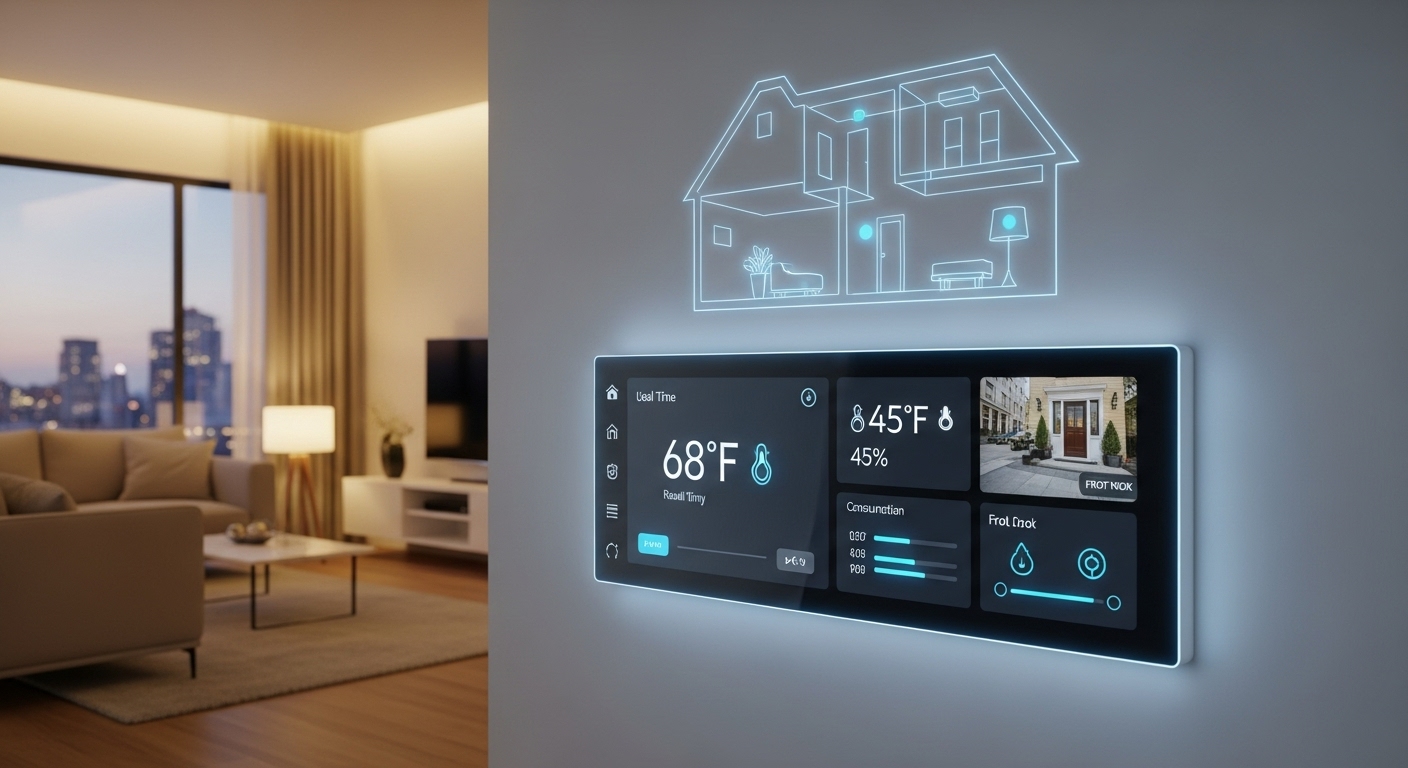
The Internet of Things (IoT) connects everyday devices to the internet, allowing them to communicate, collect data, and make decisions. Smart homes, wearable health monitors, and industrial sensors exemplify how IoT enhances convenience, efficiency, and data-driven insights.
In healthcare, IoT devices track patient vital signs and facilitate remote monitoring. In urban planning, smart city technologies optimize traffic, energy consumption, and waste management. Industrial IoT improves production, logistics, and predictive maintenance. The interconnectedness enabled by IoT demonstrates how technology is becoming an integral part of daily life.
Technology in Communication
Advancements in technology have transformed communication globally. Smartphones, video conferencing, and instant messaging enable real-time interaction, connecting individuals and organizations across continents. Social media platforms allow people to share ideas, engage in discussions, and build communities.
These technologies have also democratized information dissemination. News, research, and educational resources are now accessible to a global audience. Technology bridges distances, allowing collaboration and learning to happen instantaneously, redefining how society interacts and shares knowledge.
Technology in Healthcare
Healthcare has been profoundly impacted by technology. Medical imaging, diagnostic tools, telemedicine, and robotic surgery have revolutionized patient care. AI-powered systems assist in analyzing medical records, predicting diseases, and personalizing treatment plans.
Wearable devices monitor vital signs and encourage preventive care. Biotechnology and genomics leverage computational power for innovation in treatment and research. Technology not only enhances accuracy and efficiency but also improves patient outcomes and expands access to healthcare worldwide.
Technology in Education
Education has been transformed by digital technology. Online courses, virtual classrooms, and educational apps enable learning beyond traditional boundaries. Students can access resources anytime and anywhere, making education more inclusive and flexible.
Interactive tools, simulations, and gamified learning enhance engagement and retention. AI-driven platforms adapt content to individual needs, providing personalized learning experiences. Technology empowers educators and students alike, preparing them for a world where digital literacy is essential.
Technology in Business and Industry
Modern businesses rely heavily on technology to maintain competitiveness. Automation, artificial intelligence, and data analytics streamline operations, improve decision-making, and enhance customer experience. Cloud-based solutions allow companies to scale efficiently and collaborate globally.
Emerging technologies such as blockchain improve transparency, security, and traceability in supply chains and financial transactions. E-commerce platforms connect businesses to global markets, transforming how goods and services are delivered. Technology drives innovation, productivity, and growth in virtually every sector.
Entertainment and Technology
Technology has transformed entertainment, providing immersive and interactive experiences. High-definition visuals, virtual reality, augmented reality, and gaming technology have redefined how audiences consume content. Streaming services allow personalized, on-demand access to movies, music, and shows.
Gaming, in particular, has become a multi-billion-dollar industry, combining storytelling, graphics, and interactivity. Virtual concerts, live streams, and digital performances illustrate how technology reshapes creative expression and engagement. Entertainment technology merges innovation and artistry, creating new ways for people to connect and enjoy experiences.
Ethical and Social Considerations
As technology evolves, it presents ethical and societal challenges. Privacy, cybersecurity, AI bias, and the digital divide require careful attention. Responsible innovation is necessary to ensure that technology benefits society without causing harm.
Inclusivity and accessibility are vital. Bridging the digital divide ensures equitable access to education, healthcare, and opportunities. Ethical development and regulation guide the safe and sustainable use of technology, balancing progress with responsibility.
The Future of Technology
The future of technology is filled with exciting possibilities. Quantum computing could revolutionize problem-solving, enabling breakthroughs in medicine, AI, and materials science. Advanced robotics and autonomous systems may transform industries and daily life. Sustainable technology will address environmental challenges through renewable energy, smart infrastructure, and eco-friendly innovations.
Integration of AI, IoT, and immersive experiences will create intelligent, adaptive, and interconnected systems. Technology will continue to enhance human potential, improve quality of life, and expand opportunities globally. The possibilities are boundless as innovation continues to accelerate.
Conclusion
Technology is more than a tool—it is a driving force shaping the present and future of humanity. From healthcare and education to business, communication, and entertainment, technological innovation improves efficiency, connectivity, and quality of life. It empowers individuals, strengthens societies, and drives global progress.
As technology continues to evolve, it brings both opportunities and challenges. Responsible development, ethical use, and inclusive access are essential to ensure that technology benefits all of humanity. Embracing the possibilities of technological advancement allows us to create a smarter, more connected, and sustainable world where human potential is amplified, and innovation continues to push the boundaries of what is possible.