Introduction: The Unstoppable Force of Technology
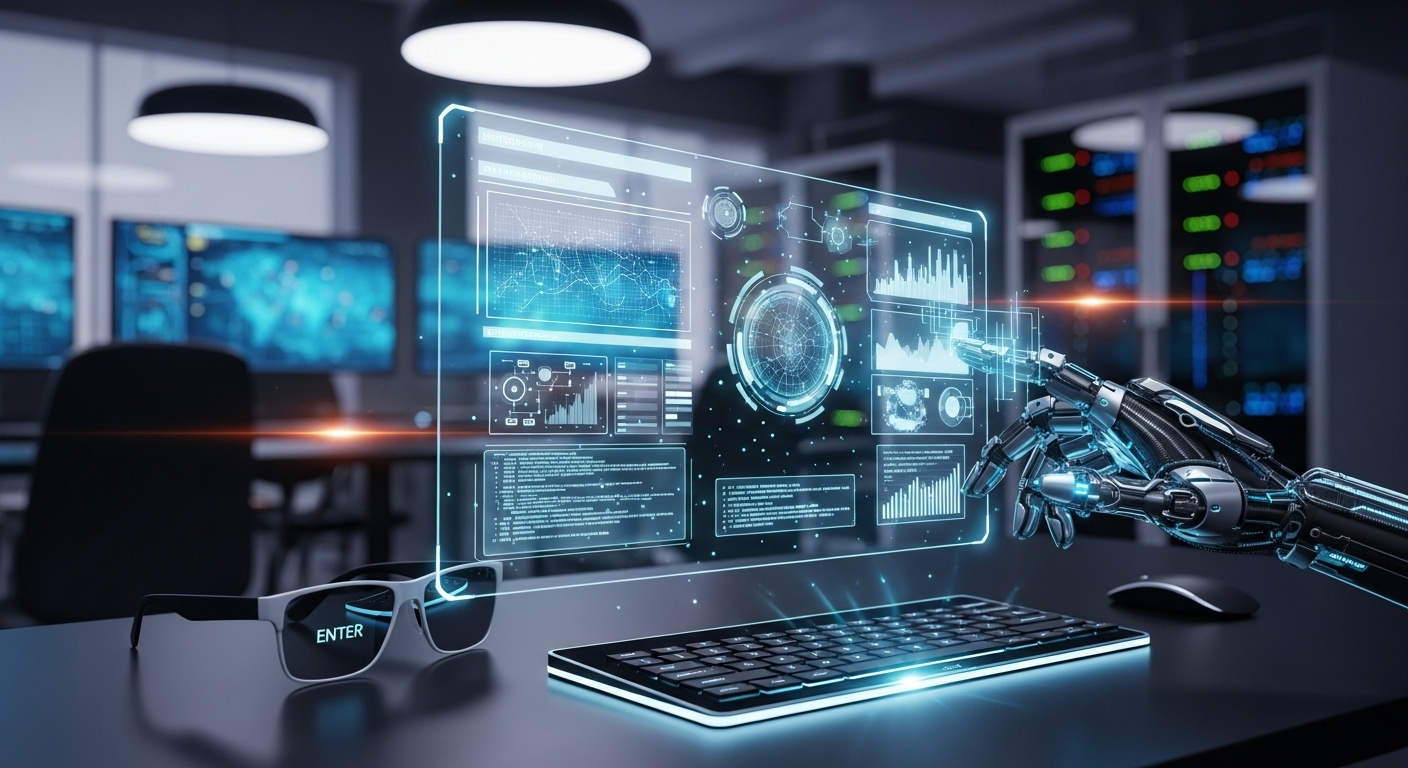
Technology has become the most powerful force shaping human civilization. It influences how we think, communicate, work, and even dream. From the invention of the wheel to the rise of artificial intelligence, every era of human progress has been marked by technological advancement. In the twenty-first century, this evolution has accelerated beyond imagination, giving rise to what many call a “tech renaissance” — a period of rapid innovation that is redefining every aspect of life.
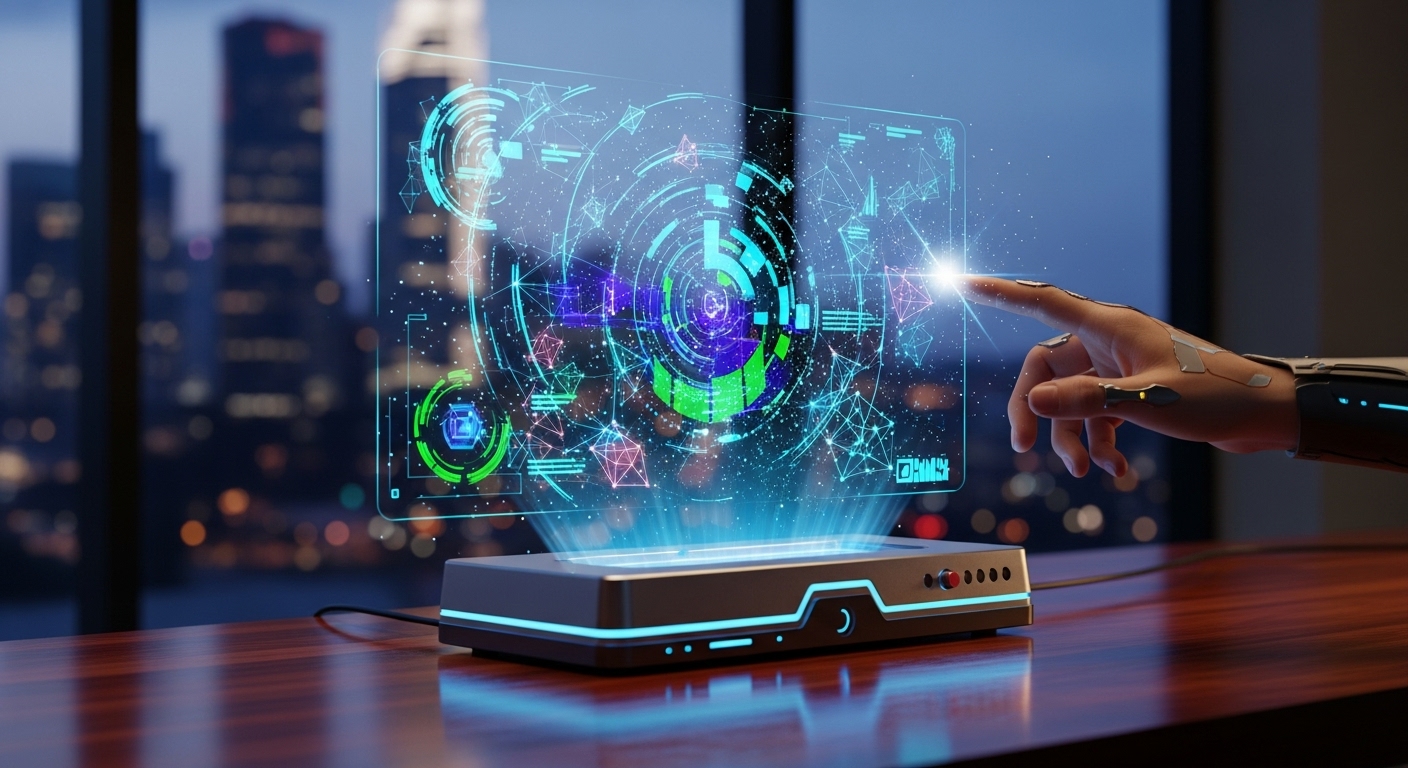
Technology today is not just about machines or gadgets; it is about empowerment, transformation, and creativity. It connects people, breaks barriers, and creates opportunities where none existed before. As we stand on the edge of a new digital frontier, understanding how technology is shaping our world is more important than ever.
The Evolution of Technology: From Stone Tools to Smart Machines
The journey of technology is as old as humanity itself. The earliest humans crafted stone tools to hunt and survive, marking the beginning of innovation. The discovery of fire changed how humans lived, while the invention of the wheel revolutionized transport and trade. Each step forward built upon the last, forming the foundation of progress.
The Industrial Revolution in the eighteenth century brought a new wave of transformation. Machines powered by steam and electricity reshaped industries and economies. The twentieth century witnessed another leap with the advent of computers and the internet. These inventions changed how information was stored, processed, and shared.
Today, we are living in the digital era — a world powered by artificial intelligence, robotics, and the Internet of Things. Technology has evolved from being a tool to becoming an extension of human intelligence. The rate of change is faster than ever before, and its impact reaches every corner of the globe.
Artificial Intelligence: The Mind of Modern Innovation
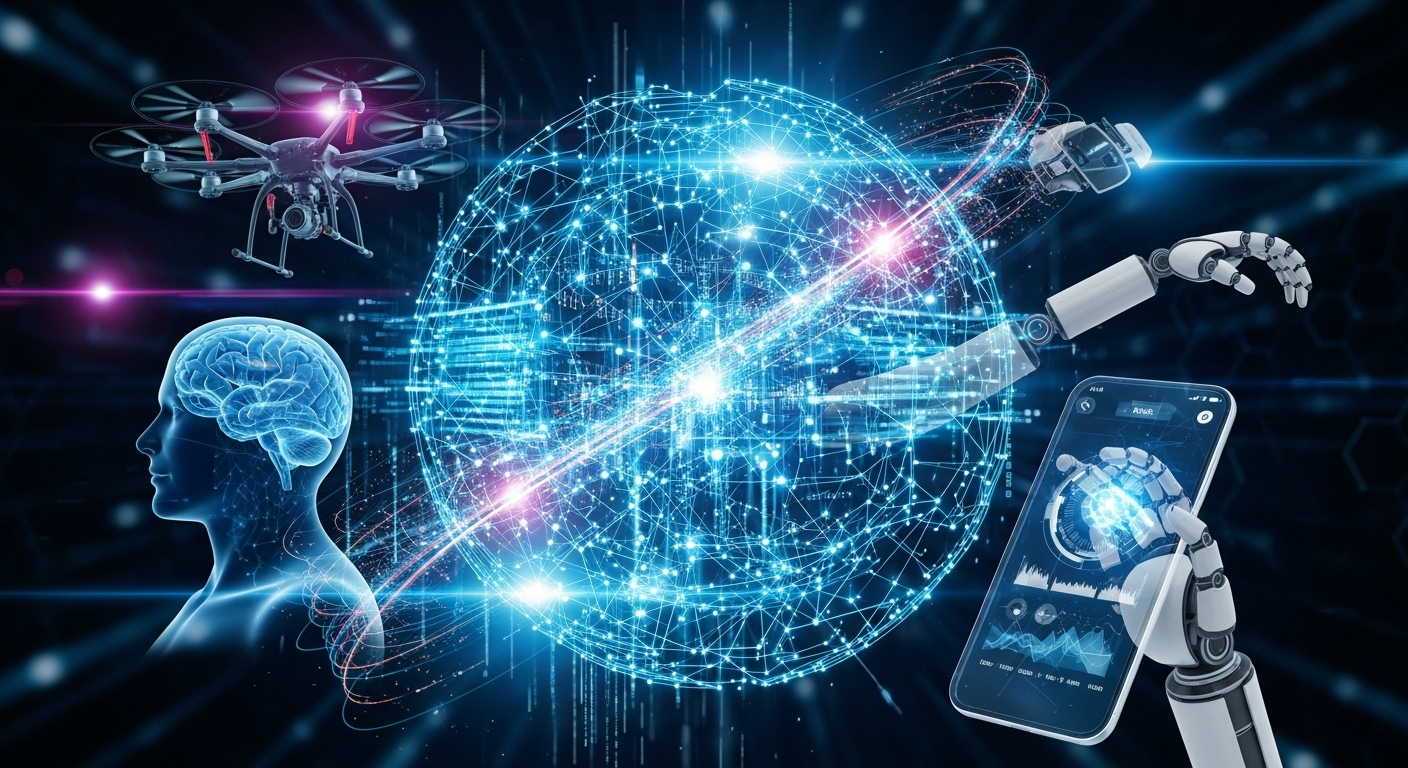
Artificial intelligence, often called AI, is one of the most groundbreaking developments of our time. It allows machines to learn, adapt, and make decisions, mirroring human intelligence in extraordinary ways. AI is now integrated into everything from smartphones and vehicles to healthcare systems and financial institutions.
AI-driven systems analyze massive amounts of data in seconds, providing insights that were once impossible for humans to achieve. In healthcare, AI helps diagnose diseases more accurately and at earlier stages. In business, it predicts consumer behavior, optimizes production, and enhances decision-making. Even in education, AI-powered tools personalize learning for students, ensuring that knowledge reaches everyone in the most effective way.
But AI also raises important ethical questions. As machines become more intelligent, how do we ensure they act responsibly? The challenge lies in balancing innovation with moral values, ensuring that technology serves humanity rather than controls it.
The Internet of Things: Connecting the Physical and Digital Worlds
The Internet of Things, or IoT, is a revolutionary concept that connects everyday objects to the internet, allowing them to collect and share data. From smart homes that adjust temperature automatically to wearable devices that monitor health, IoT is transforming how humans interact with the physical world.
In cities, IoT powers “smart city” initiatives that manage traffic flow, reduce energy consumption, and improve public safety. In industries, connected sensors monitor equipment and detect issues before they cause failures, improving efficiency and reducing costs.
This interconnected web of devices creates convenience but also highlights the importance of cybersecurity. As more devices become connected, protecting data and privacy becomes a global priority.
The Digital Economy: Technology as the Engine of Growth
Technology is the backbone of the modern economy. It drives innovation, creates new industries, and provides opportunities for people across the world. Digital platforms have revolutionized commerce, making it possible to buy, sell, and trade globally with a single click.
E-commerce, digital banking, and fintech solutions have opened doors for entrepreneurs and small businesses. Remote work and digital collaboration tools have redefined the workplace, enabling people to connect and contribute from anywhere in the world.
The digital economy has also encouraged the rise of gig work, allowing individuals to earn independently through online platforms. However, it also poses challenges related to job security and income stability, reminding us that technological progress must be accompanied by social and economic reforms.
Technology in Healthcare: Saving Lives Through Innovation
The healthcare industry has undergone an incredible transformation thanks to technology. Medical devices, robotic surgeries, and telemedicine have made healthcare more accessible and efficient. Advanced imaging systems and AI-driven diagnostic tools help doctors detect diseases with greater precision.
Wearable health devices now track heart rate, oxygen levels, and even sleep patterns, empowering individuals to monitor their own well-being. Genetic research and biotechnology are unlocking personalized treatments, where medicine is tailored to each patient’s unique biological makeup.
Technology has also played a crucial role in global health crises, enabling rapid data collection, vaccine development, and real-time monitoring of disease spread. As healthcare becomes more digital, the world moves closer to a future where quality medical care is available to everyone.
The Role of Technology in Education: Empowering the Mind
Education has always been a key driver of progress, and technology has made it more inclusive than ever. Online learning platforms, virtual classrooms, and digital textbooks have broken barriers of geography and cost, making education accessible to millions.
Students today can learn from the best instructors across the globe through interactive courses. Artificial intelligence helps customize lessons based on individual strengths and weaknesses, ensuring that every learner gets the attention they need.
Virtual reality and augmented reality are enhancing practical learning by simulating real-world environments. From engineering to medicine, students can now gain experience in digital laboratories before stepping into real ones. The combination of technology and education is not only creating smarter students but also preparing a more innovative generation for the future.
Sustainability and Green Technology: Building a Better Planet
As technology advances, so does our responsibility toward the environment. Green technology is now at the forefront of innovation, aiming to reduce pollution, conserve energy, and protect natural resources.
Renewable energy solutions like solar, wind, and hydro power are replacing traditional fossil fuels. Electric vehicles are reducing carbon emissions and promoting cleaner cities. Smart grids and energy-efficient systems help manage resources sustainably.
Technology is also playing a crucial role in combating climate change. Data-driven models predict environmental changes, while satellite systems monitor deforestation and ocean pollution. The future of technology must focus not only on progress but also on preserving the planet for generations to come.
Cybersecurity: Protecting the Digital Frontier
As technology becomes more integrated into daily life, cybersecurity has emerged as one of the most critical global concerns. Every digital system — from government databases to personal smartphones — is vulnerable to cyber threats.
Hackers, data breaches, and online fraud pose serious risks to individuals and organizations. As a result, cybersecurity technologies have evolved to safeguard digital assets and ensure data privacy. Artificial intelligence and machine learning now help detect and prevent cyberattacks before they occur.
For users, awareness and digital hygiene are just as important as advanced software. Protecting passwords, securing devices, and practicing caution online are simple steps that can make a big difference in an increasingly connected world.
The Future of Work: Automation and Human Creativity
Automation and robotics are transforming industries, taking over repetitive tasks and allowing humans to focus on creativity, strategy, and innovation. Factories now use robotic systems that can work tirelessly with precision, while AI handles administrative and analytical tasks in offices.
However, the future of work will depend on how societies adapt. While technology replaces certain jobs, it also creates new ones in fields like data science, programming, and cybersecurity. The workforce of tomorrow will require continuous learning and adaptability to stay relevant in a rapidly changing environment.
Human creativity will remain irreplaceable. Technology can process information, but imagination and empathy remain uniquely human traits. The collaboration between humans and machines will shape the future of innovation, creating possibilities that neither could achieve alone.
Space Technology: Reaching Beyond Our World
One of the most exciting frontiers of technology lies beyond our planet. Space exploration has entered a new era powered by advanced technology. Modern spacecraft, satellites, and telescopes are uncovering the mysteries of the universe, while reusable rockets have made space travel more sustainable and cost-effective.
Technology developed for space exploration has also benefited life on Earth. Satellite communication, weather forecasting, and GPS systems are all products of space innovation. The future may even see humans living and working on other planets, expanding the horizons of civilization.
The Ethical and Social Impact of Technology
With great power comes great responsibility. As technology becomes more advanced, ethical and social questions arise. Should artificial intelligence make life-altering decisions? How do we protect individual privacy in a data-driven world? These are issues that society must address collectively.
Technology must always serve humanity, not the other way around. Ethical innovation ensures that progress does not come at the cost of freedom, equality, or human dignity. The choices we make today will determine how future generations live, work, and coexist with technology.
Conclusion: The Human Spirit Behind the Machine
Technology is not just a product of science — it is a reflection of human spirit and imagination. Every innovation, from the printing press to artificial intelligence, has been driven by the desire to make life better. The world today stands at the crossroads of unprecedented opportunity and responsibility.
The challenge is to use technology not merely for profit or convenience, but for progress that uplifts all of humanity. The future will belong to those who can harness innovation with wisdom, empathy, and vision.
As we step further into the tech renaissance, one truth remains clear — technology may build the tools, but it is humanity that gives them purpose. Together, they form the bridge to a future that is smarter, stronger, and more connected than ever before.