Introduction: A World Built on Innovation
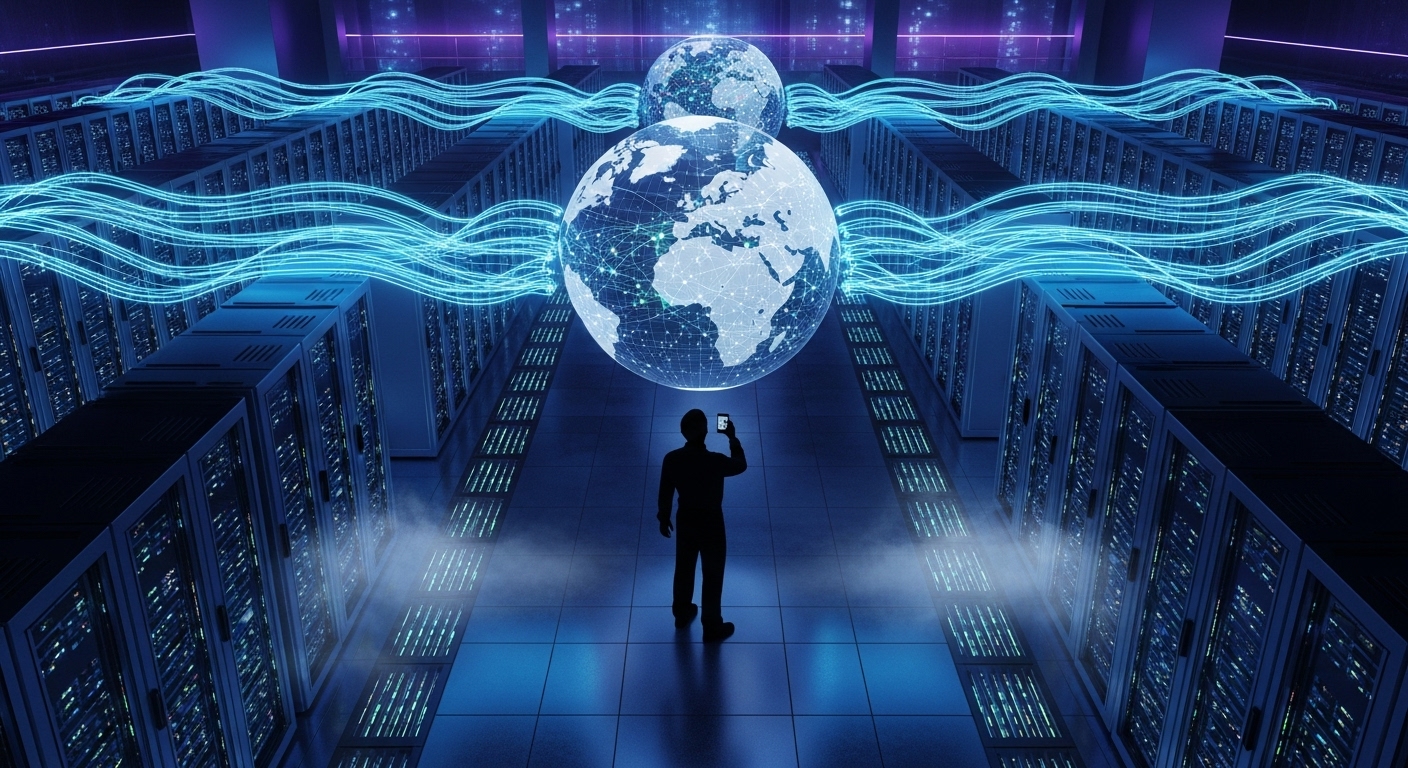
The twenty-first century is defined by technology. It influences every thought we share, every decision we make, and every goal we pursue. From smartphones that fit into our palms to artificial intelligence systems capable of solving problems once thought impossible, technology has become the foundation of modern civilization. It is not just changing industries—it is redefining the meaning of human progress. What makes this transformation unique is that it is happening quietly, often unnoticed, yet with a power that touches every corner of life.
Technology is no longer something separate from us. It lives in our devices, our workplaces, our transportation, and even our homes. The invisible code running behind our screens has become the heartbeat of society, dictating how we connect, create, and compete. To understand the present and prepare for the future, we must explore how this silent transformation is shaping humanity itself.
The Evolution of Technology: From Tools to Intelligence
The story of technology begins with human curiosity. Early humans used stones and sticks to hunt, build, and survive. Centuries later, they discovered metals, created machines, and sparked the Industrial Revolution. But the digital revolution marked a different kind of leap. It was no longer about physical tools but about the creation of digital minds.
Computers, once the size of rooms, now fit into our pockets. Data has become more valuable than gold. Machines no longer require constant supervision—they think, learn, and act on their own. The rise of artificial intelligence represents a shift from using technology as a tool to embracing it as a partner. This transition from mechanical power to digital intelligence is the essence of the modern age.
Artificial Intelligence: The New Architect of Decision-Making
Artificial Intelligence (AI) has become the defining innovation of our generation. It analyzes data faster than any human could, learns from experience, and even improves itself over time. AI drives voice assistants, recommendation systems, and medical diagnostics. It helps businesses forecast trends and governments predict social changes.
The beauty of AI lies in its subtlety. It operates behind the scenes, anticipating needs before they are spoken. From suggesting music to diagnosing illnesses, AI is quietly reshaping how we live. Yet, its power also brings challenges. As AI grows more capable, questions of ethics, bias, and control become more pressing. Who decides what the machines should learn? Who takes responsibility for their decisions?
The future of AI depends on how we balance innovation with responsibility. Used wisely, it can enhance human life in unimaginable ways. Used recklessly, it can amplify inequality and erode trust. The challenge is not in building smarter machines but in ensuring they serve the greater good.
The Internet of Things: A Connected Existence
The Internet of Things, or IoT, represents the next stage in digital evolution. It refers to the interconnected web of devices that communicate and share data with each other. Everything from refrigerators to cars, from watches to traffic lights, can now be connected to the internet.
This network has turned ordinary objects into intelligent entities. Smart homes adjust lighting and temperature automatically. Smart cities optimize traffic flow and energy consumption. Factories use sensors to detect issues before they cause breakdowns. The IoT is creating a digital ecosystem where machines understand human behavior and adapt accordingly.
The convenience it provides is extraordinary, but it also raises concerns about privacy and data security. Every connected device collects information, and ensuring that data remains safe has become one of the major challenges of modern technology.
The Future of Work: Automation and Human Adaptation
Technology has always changed the way people work, but the current wave of automation is unlike anything before. Machines can now perform not just physical labor but also cognitive tasks. Industries are adopting robots and algorithms that can complete repetitive jobs faster and more efficiently than humans.
This shift does not mean the end of human employment—it marks a new beginning. The workplace of the future will be defined by collaboration between humans and machines. While technology takes over routine tasks, people will focus on creativity, emotional intelligence, and critical thinking.
Remote work has also become a global phenomenon. Cloud computing and communication platforms have made it possible for professionals to collaborate across borders. Work is no longer limited by location, creating a flexible and inclusive environment. Yet, success in this new landscape requires continuous learning. Adaptability and digital literacy are the most valuable skills in the modern world.
Data: The Invisible Resource Powering the Digital Age
Data has become the lifeblood of modern technology. Every time we browse, buy, or communicate online, we generate information that fuels algorithms and innovations. Companies use data analytics to improve services, predict customer behavior, and make strategic decisions. Governments rely on data to design policies, while researchers use it to solve global challenges.
However, this explosion of data has created a paradox. The same information that drives progress also exposes us to risk. Data breaches, identity theft, and misuse of personal information are growing concerns. The digital age demands new forms of protection and transparency. In this environment, cybersecurity is as crucial as innovation itself.
Sustainability and Green Technology: Innovation with Responsibility
The planet is paying the price of industrial progress. Climate change, pollution, and resource depletion are global crises demanding immediate attention. Fortunately, technology offers solutions through the rise of green innovation.
Renewable energy systems, electric vehicles, and sustainable manufacturing processes are examples of how technology can support environmental preservation. Artificial intelligence helps monitor deforestation, while data analytics optimizes energy use in cities. Companies are now investing in green design, using recycled materials and developing energy-efficient products.
Green technology is not just about saving the environment—it’s about ensuring the future of humanity. The challenge ahead is to make innovation sustainable and accessible for all.
Cybersecurity: Defending the Digital Frontier
As our dependence on technology grows, so does our vulnerability. Cybersecurity has become one of the most important aspects of the modern world. The same systems that make life easier also create new avenues for exploitation. Hackers, data thieves, and cybercriminals are constantly developing new methods to breach security.
Protecting digital systems requires constant vigilance. Organizations are now using artificial intelligence to detect and prevent cyber threats. Biometric authentication, encryption, and secure cloud infrastructure are becoming standard practices. However, the greatest defense is awareness. Every user must understand the value of their data and take steps to safeguard it.
The digital frontier is vast and powerful, but without security, it remains fragile. Building trust in technology is as important as advancing it.
Virtual and Augmented Reality: The New Dimension of Experience
Technology is no longer confined to screens—it is creating new realities. Virtual Reality (VR) and Augmented Reality (AR) have introduced immersive experiences that blur the boundary between physical and digital worlds.
VR places users in completely virtual environments, allowing them to explore, learn, and create without limits. AR enhances real-world experiences by adding digital layers of information. These technologies are transforming education, entertainment, and even healthcare. Students can visit historical sites through VR, surgeons can practice complex operations, and designers can visualize their creations in 3D before production.
As these technologies evolve, they will reshape how humans interact with information and each other. The next step is the integration of AI with VR and AR, leading to intelligent virtual environments that adapt to user behavior in real time.
Ethics and Human Values in a Digital Society
Technology is powerful, but power without ethics can be dangerous. The rapid growth of digital systems has created new moral dilemmas. Issues like privacy, algorithmic bias, and surveillance are challenging our traditional understanding of rights and fairness.
Ethical technology requires transparency, inclusivity, and accountability. Developers and organizations must ensure that innovations serve all people equally, not just a privileged few. The goal should be to create technology that empowers humanity, not manipulates it.
In the race for innovation, human values must remain at the center. The future should not be about machines replacing humans but about machines enhancing human potential.
The Road Ahead: Beyond the Digital Horizon
The next decade will bring technologies that today exist only in imagination. Quantum computing promises to solve problems that no existing computer can handle. Biotechnology may merge with digital intelligence to cure diseases and extend life. Space technology will expand human presence beyond Earth, opening new frontiers for exploration and innovation.
But as we move toward this future, one truth must guide us: technology is a reflection of its creators. The way we design, use, and govern technology will determine whether it becomes a force for progress or a source of inequality.
Conclusion: Living in the Age of the Invisible Revolution
Technology has become the invisible engine driving humanity forward. It is in our homes, our workplaces, and our imaginations. The digital transformation is not loud or sudden—it is silent, continuous, and all-encompassing. Every innovation, from artificial intelligence to sustainable energy, is rewriting what it means to live in the modern world.
The challenge now is not just to keep up with technology but to guide it wisely. Progress must be human-centered, ethical, and sustainable. The future will belong to those who understand that true innovation is not about creating smarter machines but about building a smarter, fairer, and more compassionate world.