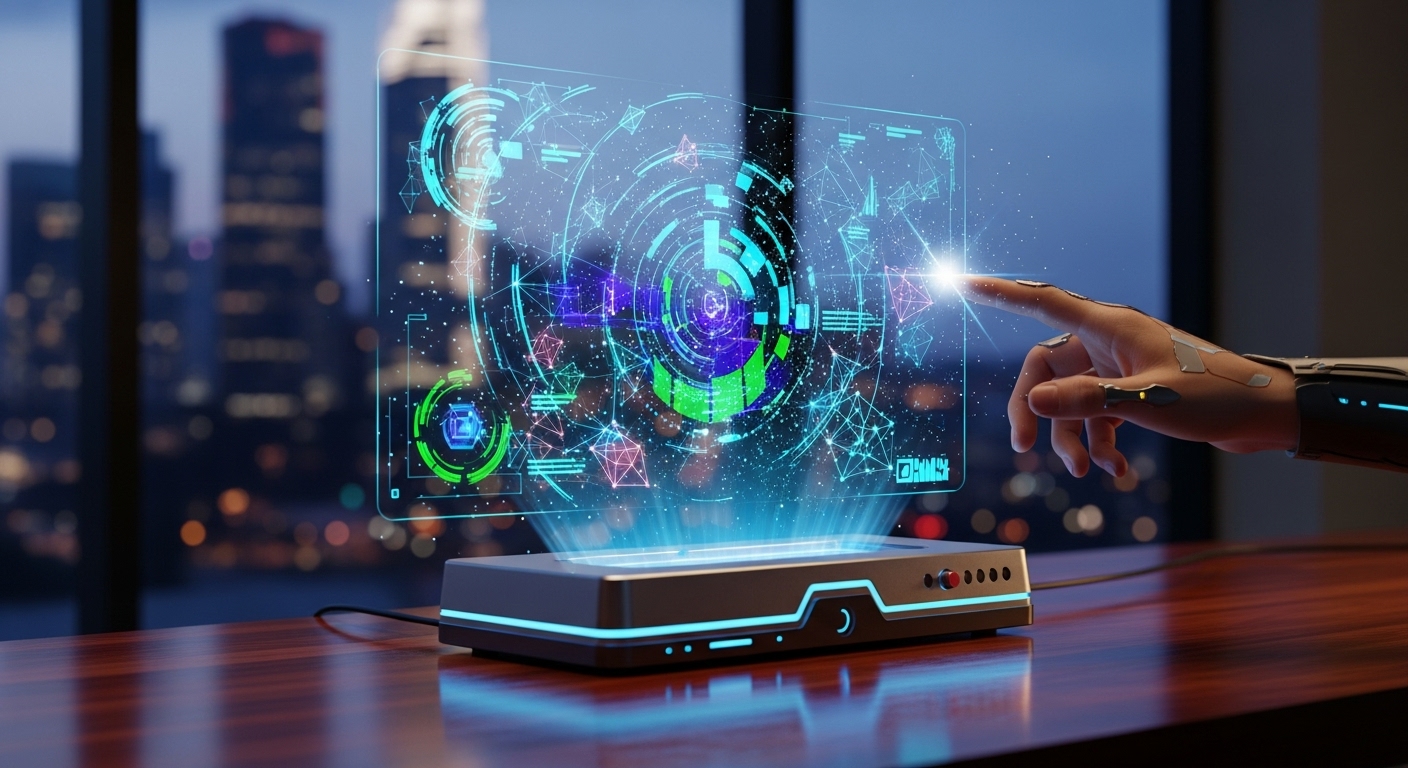
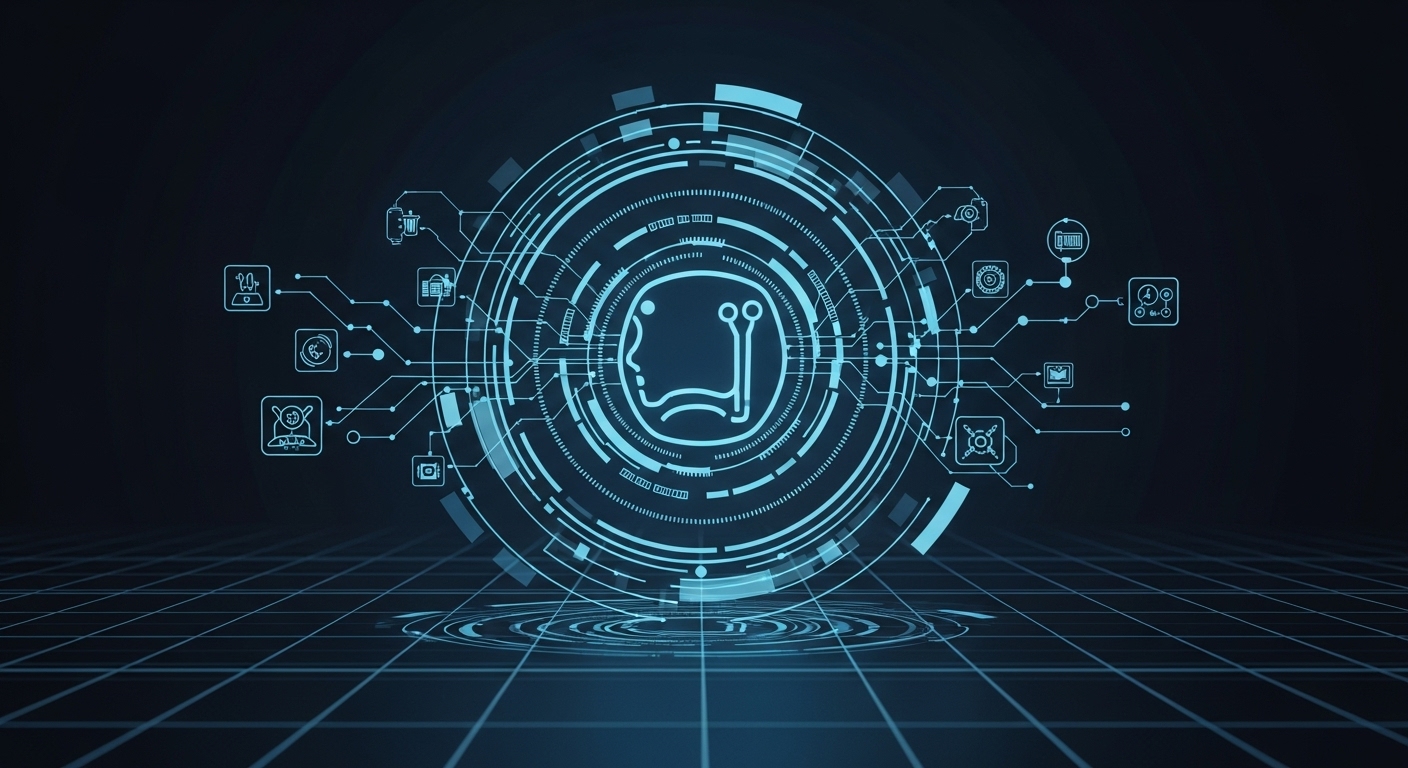
Technology is no longer just a part of our lives—it is the framework upon which modern society is built. From the smartphones in our pockets to the intricate networks that connect the globe, technology touches every aspect of our daily existence. As we progress further into the 21st century, the pace of technological innovation continues to accelerate, shaping industries, economies, and even the way humans interact with the world. This blog post delves into the current state of technology, its impact on society, and what the future holds.
The Rise of Artificial Intelligence
Artificial Intelligence (AI) has become the centerpiece of technological advancement in recent years. AI systems, powered by sophisticated algorithms and massive datasets, can analyze information, learn from patterns, and make decisions with minimal human intervention. AI applications range from virtual assistants like voice recognition software to advanced predictive analytics used in healthcare and finance.
One of the most transformative aspects of AI is its ability to automate complex tasks. In industries such as manufacturing, AI-driven robots can assemble products with precision and speed far beyond human capability. Similarly, AI in healthcare can analyze medical images to detect diseases at early stages, potentially saving countless lives.
Despite its benefits, AI also raises ethical questions. Issues like algorithmic bias, privacy concerns, and the potential loss of jobs due to automation are critical challenges that society must address. Balancing innovation with responsible deployment will define how AI shapes the future.
The Internet of Things: Connecting the World
The Internet of Things (IoT) represents a paradigm shift in how devices interact with each other. IoT refers to the network of interconnected devices that communicate, collect data, and respond intelligently to their environment. Smart homes, wearable fitness trackers, and connected vehicles are just the beginning of this technology.
IoT has significant implications for industries. In agriculture, sensors monitor soil conditions, weather patterns, and crop health, enabling farmers to make data-driven decisions. In cities, IoT infrastructure manages traffic flow, reduces energy consumption, and enhances public safety.
However, IoT also introduces vulnerabilities. As more devices become connected, the potential for cyberattacks increases. Ensuring security while maintaining functionality is one of the major challenges for IoT developers. Nevertheless, the benefits of a fully connected ecosystem are undeniable, promising a future where devices seamlessly enhance human life.
Blockchain and the Future of Digital Trust
Blockchain technology, popularized by cryptocurrencies like Bitcoin, is more than just a financial innovation. It is a decentralized ledger system that offers transparency, security, and immutability. Each transaction recorded on a blockchain is verified by multiple nodes, making tampering extremely difficult.
Beyond finance, blockchain has applications in supply chain management, voting systems, healthcare records, and intellectual property protection. By providing a secure and transparent way to track information, blockchain can reduce fraud, improve efficiency, and increase trust in digital interactions.
The adoption of blockchain faces challenges such as energy consumption, scalability, and regulatory hurdles. Nevertheless, ongoing research and development are paving the way for a future where blockchain could redefine how we handle data, transactions, and digital identity.
Quantum Computing: Redefining Computational Limits
Quantum computing represents a radical departure from classical computing. Unlike traditional computers, which process information in bits (0s and 1s), quantum computers use qubits, which can exist in multiple states simultaneously. This property, known as superposition, allows quantum computers to perform complex calculations at unprecedented speeds.
Quantum computing has the potential to revolutionize fields such as cryptography, materials science, and drug discovery. Problems that would take traditional computers thousands of years to solve could be completed in seconds by quantum systems.
However, quantum technology is still in its infancy. Challenges like qubit stability, error correction, and high operational costs must be overcome before widespread adoption is possible. Despite these hurdles, major tech companies and research institutions are heavily investing in quantum computing, recognizing its transformative potential.
5G and the Era of Hyperconnectivity
The rollout of 5G networks is set to redefine connectivity. With speeds up to 100 times faster than 4G and ultra-low latency, 5G enables technologies that were previously impractical. Autonomous vehicles, remote surgery, and immersive virtual reality experiences rely on the high-speed, reliable connections that 5G provides.
5G also accelerates the adoption of smart cities and IoT devices, creating a more integrated and responsive urban infrastructure. Industries such as logistics, entertainment, and education are poised to benefit from the high-speed, low-latency capabilities of 5G networks.
Nevertheless, the deployment of 5G faces challenges, including infrastructure costs, regulatory approvals, and public concerns about health effects. Despite these obstacles, 5G represents a critical step toward a hyperconnected world where information flows instantly and seamlessly.
Robotics: Merging Machines with Human Tasks
Robotics has evolved from simple mechanical machines to intelligent systems capable of performing complex tasks. Industrial robots revolutionized manufacturing decades ago, but modern robotics is expanding into areas such as healthcare, logistics, and even companionship.
Surgical robots allow doctors to perform minimally invasive procedures with precision, reducing recovery time for patients. Autonomous drones are used in delivery services, disaster response, and agricultural monitoring. Social robots are even being developed to provide companionship and assistance to the elderly and disabled.
The integration of AI with robotics enables machines to adapt to dynamic environments, learn from experience, and collaborate with humans safely. Ethical considerations, such as the impact on employment and human-robot interaction, remain central to discussions about the future of robotics.
Cybersecurity in an Increasingly Digital World
As technology advances, cybersecurity becomes increasingly critical. Cyberattacks have grown in sophistication, targeting individuals, corporations, and governments alike. Malware, phishing attacks, ransomware, and state-sponsored hacks threaten sensitive data and national security.
Organizations are investing heavily in cybersecurity strategies, including AI-driven threat detection, encryption, and secure software development practices. Additionally, individuals are becoming more aware of the importance of strong passwords, multi-factor authentication, and digital hygiene.
The rise of cybercrime underscores the need for continuous innovation in defense mechanisms. As technology evolves, so too must the strategies to protect it. Cybersecurity is no longer a technical concern alone—it is a societal imperative.
Augmented and Virtual Reality: Bridging the Digital and Physical
Augmented Reality (AR) and Virtual Reality (VR) are transforming the way humans experience the world. AR overlays digital information onto the physical environment, while VR immerses users in entirely virtual worlds. Both technologies have applications in gaming, education, healthcare, and professional training.
In education, AR can make learning interactive by visualizing complex concepts. In healthcare, VR simulations allow medical professionals to practice surgeries without risk. In retail, AR enables customers to try products virtually before making a purchase.
The future of AR and VR points toward a blended reality, where digital content seamlessly enhances human perception and interaction. As hardware becomes more affordable and software more sophisticated, immersive experiences will become commonplace.
Green Technology and Sustainable Innovation
Technology is not only about efficiency and connectivity; it also plays a crucial role in sustainability. Green technology, or cleantech, focuses on reducing environmental impact through innovation. Renewable energy solutions, electric vehicles, and smart grids are examples of technologies driving the transition to a sustainable future.
Solar panels and wind turbines are becoming increasingly efficient and cost-effective. Energy storage solutions, such as advanced batteries, enable more consistent use of renewable energy. Additionally, AI and IoT contribute to optimizing resource consumption, reducing waste, and promoting environmentally friendly practices.
The convergence of technology and sustainability highlights a critical shift in priorities. Innovation is no longer solely about convenience or profit; it is also about preserving the planet for future generations.
The Future of Work in a Tech-Driven World
As technology evolves, the nature of work is also transforming. Automation, AI, and robotics are reshaping industries, altering job requirements, and creating new opportunities. Remote work, enabled by digital collaboration tools, has become a permanent fixture in many sectors.
Skill requirements are changing rapidly. Digital literacy, data analysis, and programming are becoming essential competencies across multiple professions. Lifelong learning and adaptability are key for employees to thrive in this tech-driven landscape.
At the same time, technology creates opportunities for innovation, entrepreneurship, and global collaboration. Professionals can leverage digital platforms to reach wider audiences, create new products, and contribute to a rapidly changing economy.
Ethical Considerations in Technology
With great power comes great responsibility. As technology permeates every aspect of life, ethical considerations become increasingly important. Issues such as data privacy, AI decision-making, surveillance, and digital manipulation require careful attention.
Society must address these ethical dilemmas proactively. Policymakers, technologists, and citizens need to collaborate to establish frameworks that ensure technology serves humanity rather than undermining it. Transparency, accountability, and inclusivity are key principles guiding responsible innovation.
Conclusion: Embracing the Tech-Driven Future
The world of technology is dynamic, complex, and endlessly fascinating. Innovations in AI, IoT, blockchain, quantum computing, and other fields are transforming industries, economies, and everyday life. While challenges such as cybersecurity, ethical concerns, and sustainability persist, the potential for positive impact is immense.
Embracing technology requires both excitement and caution. By understanding its capabilities, limitations, and societal implications, individuals and organizations can harness technology to drive progress, solve global challenges, and create a better future. As we move forward, one thing is certain: technology will continue to shape the world in ways we can only begin to imagine.