Introduction: Technology as a Driving Force of Modern Society
Technology has become the backbone of modern society, influencing how people live, work, communicate, and entertain themselves. From smartphones to artificial intelligence, innovations are transforming industries and daily life at an unprecedented pace. The evolution of technology is no longer just about convenience—it is about reshaping the way humans interact with the world and each other. Understanding these technological trends and their implications is crucial to navigating the rapidly changing landscape of the 21st century.
The Evolution of Technology: From Industrial Revolution to Digital Era
The journey of technology has been extraordinary. During the Industrial Revolution, mechanical innovations transformed manufacturing, transportation, and agriculture. Steam engines, textile machinery, and railroads revolutionized productivity and urban development. As society progressed into the 20th century, the invention of computers and the internet marked the beginning of the digital era, creating new possibilities for communication, information storage, and global connectivity.
The late 20th and early 21st centuries introduced mobile technology, cloud computing, and advanced software systems. These developments laid the foundation for the current age of digital transformation, where data, artificial intelligence, and automation play a central role in shaping economies, lifestyles, and decision-making processes.
Artificial Intelligence: The Brain Behind Modern Innovation
Artificial intelligence, or AI, is arguably the most transformative technology of the 21st century. AI refers to the ability of machines to perform tasks that typically require human intelligence, such as learning, problem-solving, and decision-making. Applications of AI span numerous industries. In healthcare, AI algorithms assist in early disease detection, personalized treatment, and predictive analysis. In finance, AI enables real-time fraud detection, algorithmic trading, and automated customer service.
Machine learning, a subset of AI, allows systems to learn from data and improve over time. Self-driving cars, virtual assistants, and recommendation systems in streaming platforms all rely heavily on machine learning. As AI continues to evolve, ethical considerations such as privacy, data security, and job displacement are becoming central to conversations about its responsible implementation.
The Rise of the Internet of Things: Connecting Everything
The Internet of Things, or IoT, refers to the network of interconnected devices that communicate and share data with one another. From smart home appliances to wearable health monitors, IoT is changing the way people interact with their environment. Smart cities utilize IoT devices to monitor traffic, manage energy consumption, and improve public safety. In industrial sectors, IoT enables predictive maintenance, supply chain optimization, and real-time monitoring of machinery.
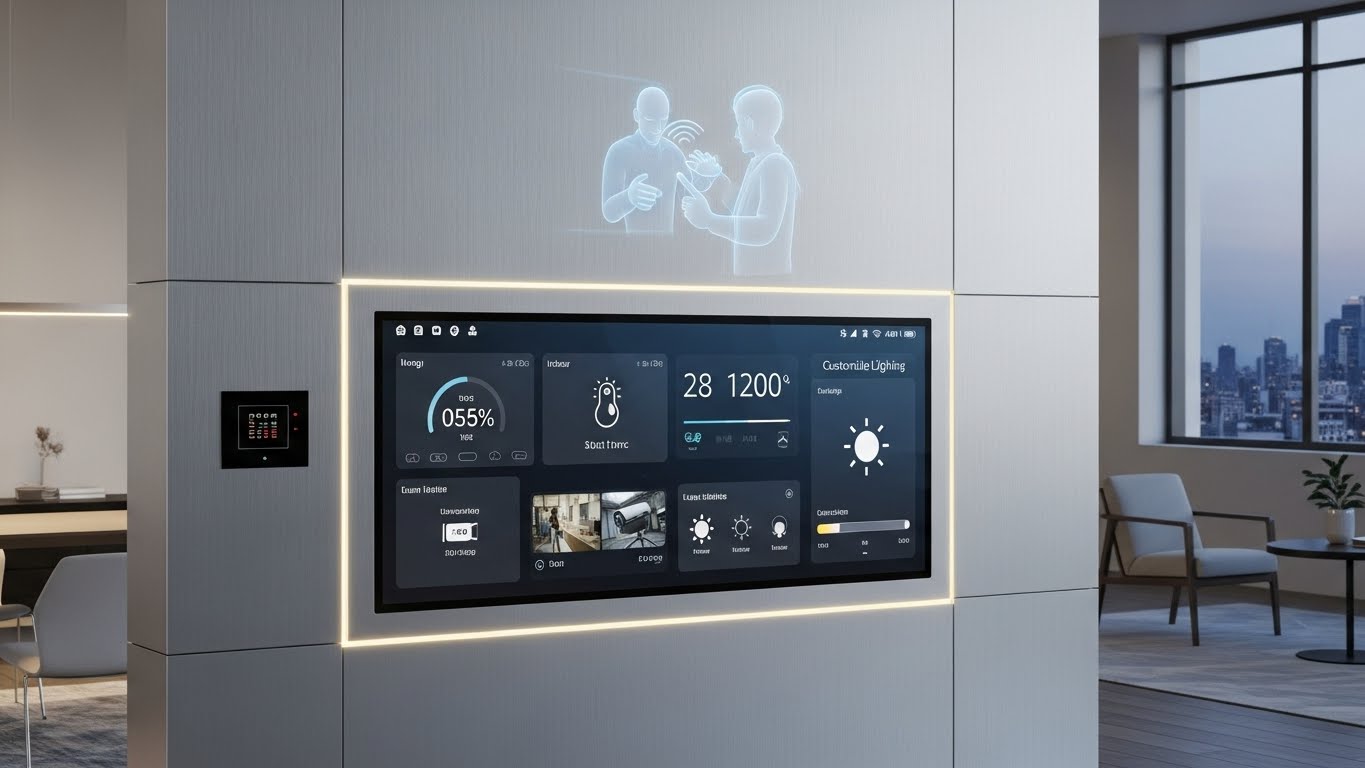
IoT’s impact on daily life is profound. Home automation systems allow users to control lighting, temperature, and security remotely, while wearable devices track fitness and health metrics. The seamless integration of technology into everyday routines highlights how IoT is making the world smarter, safer, and more efficient.
Blockchain Technology: Beyond Cryptocurrency
Blockchain technology gained prominence through cryptocurrencies, but its applications extend far beyond digital money. A blockchain is a decentralized, secure ledger that records transactions in a transparent and immutable way. This technology has the potential to revolutionize industries such as finance, supply chain management, healthcare, and voting systems.
In supply chain management, blockchain enables traceability and authenticity of products, reducing fraud and counterfeiting. In healthcare, it ensures secure storage of patient records while maintaining privacy. Governments and organizations are exploring blockchain for secure voting systems, digital identity verification, and efficient contract management. The decentralized nature of blockchain offers transparency and trust, making it a foundational technology for the future.
5G and the Era of Hyperconnectivity
The rollout of 5G networks is set to transform connectivity by offering unprecedented speed, low latency, and massive device capacity. Unlike previous network generations, 5G enables real-time communication between devices, supporting advanced technologies such as autonomous vehicles, remote surgery, and immersive augmented reality experiences.
The benefits of 5G are not limited to speed alone. Its low latency allows instantaneous data transfer, crucial for applications like cloud gaming and industrial automation. By connecting more devices efficiently, 5G accelerates innovation and supports the expansion of smart cities, telemedicine, and remote work infrastructure. This technology promises to redefine how people, machines, and organizations communicate and collaborate in the digital era.
Virtual Reality and Augmented Reality: Blurring the Line Between Real and Digital
Virtual reality (VR) and augmented reality (AR) are transforming entertainment, education, and professional training. VR immerses users in a completely digital environment, offering experiences ranging from gaming to virtual tourism. AR overlays digital information onto the real world, enhancing experiences such as navigation, maintenance, and learning.
In education, VR and AR provide immersive learning experiences that help students visualize complex concepts and practice skills in simulated environments. In professional training, surgeons can practice procedures using VR, while AR helps technicians perform repairs with real-time guidance. As the technology advances, VR and AR are expected to merge more seamlessly with everyday life, creating interactive experiences previously imagined only in science fiction.
Automation and Robotics: The Workforce of the Future
Automation and robotics are redefining the workplace across industries. Robots are increasingly handling repetitive, dangerous, or precise tasks, improving productivity and safety. In manufacturing, robotic arms assemble products with precision and consistency. In logistics, automated warehouses manage inventory and streamline supply chains.
The combination of robotics and AI allows machines to adapt, learn, and perform complex tasks autonomously. While automation increases efficiency, it also raises concerns about workforce displacement. The challenge for society is to balance technological advancement with workforce retraining and upskilling, ensuring that humans and machines collaborate effectively.
Sustainable Technology: Innovations for a Greener Future
Technology is also playing a critical role in addressing environmental challenges. Renewable energy solutions, smart grids, and energy-efficient devices are transforming how societies consume and manage resources. Solar panels, wind turbines, and electric vehicles reduce carbon emissions, while AI-powered energy management systems optimize usage and minimize waste.
Sustainable technology also extends to agriculture. Precision farming uses sensors, drones, and data analytics to improve crop yields, reduce water usage, and limit the use of harmful chemicals. As environmental concerns grow, technology offers innovative solutions that enable sustainable living while supporting global development.
The Future of Work: Technology as a Catalyst for Change
Technology is reshaping the future of work, creating new opportunities and challenges. Remote work, powered by high-speed internet and collaboration tools, has become mainstream. Cloud computing, project management software, and virtual communication platforms allow teams to work seamlessly from anywhere in the world.
Artificial intelligence and automation are redefining job roles, emphasizing skills such as problem-solving, creativity, and emotional intelligence. Lifelong learning and adaptability are becoming essential for professionals to stay relevant in an ever-changing technological landscape. Technology is not just transforming tasks but redefining the very nature of work and career progression.
Cybersecurity: Protecting the Digital World
As technology becomes more integrated into everyday life, cybersecurity has become a critical concern. Cyberattacks threaten personal data, corporate systems, and national infrastructure. Protecting digital assets requires advanced encryption, network monitoring, and proactive threat detection.
Emerging technologies such as AI and blockchain are enhancing cybersecurity measures. AI-powered systems can detect anomalies and respond to threats in real-time, while blockchain ensures secure and transparent record-keeping. Ensuring cybersecurity is essential to maintaining trust in technology and enabling the safe adoption of emerging innovations.
Conclusion: Embracing the Tech-Driven Future
Technology continues to evolve at an unprecedented pace, shaping the world in ways previously unimaginable. From artificial intelligence and IoT to 5G connectivity, VR, and sustainable innovations, emerging technologies are redefining how humans interact, work, and live. These advancements bring tremendous opportunities, from increased efficiency and convenience to global collaboration and environmental sustainability.
However, with great technological power comes responsibility. Ethical considerations, cybersecurity, workforce adaptation, and sustainability must guide the development and implementation of new technologies. Society must embrace innovation while ensuring that technology serves humanity and enhances quality of life.
The future is tech-driven, and its potential is limitless. By understanding and responsibly harnessing emerging technologies, individuals, businesses, and governments can shape a world that is smarter, safer, more connected, and more sustainable. Technology is no longer a tool; it is the driving force of progress, shaping the possibilities of tomorrow.