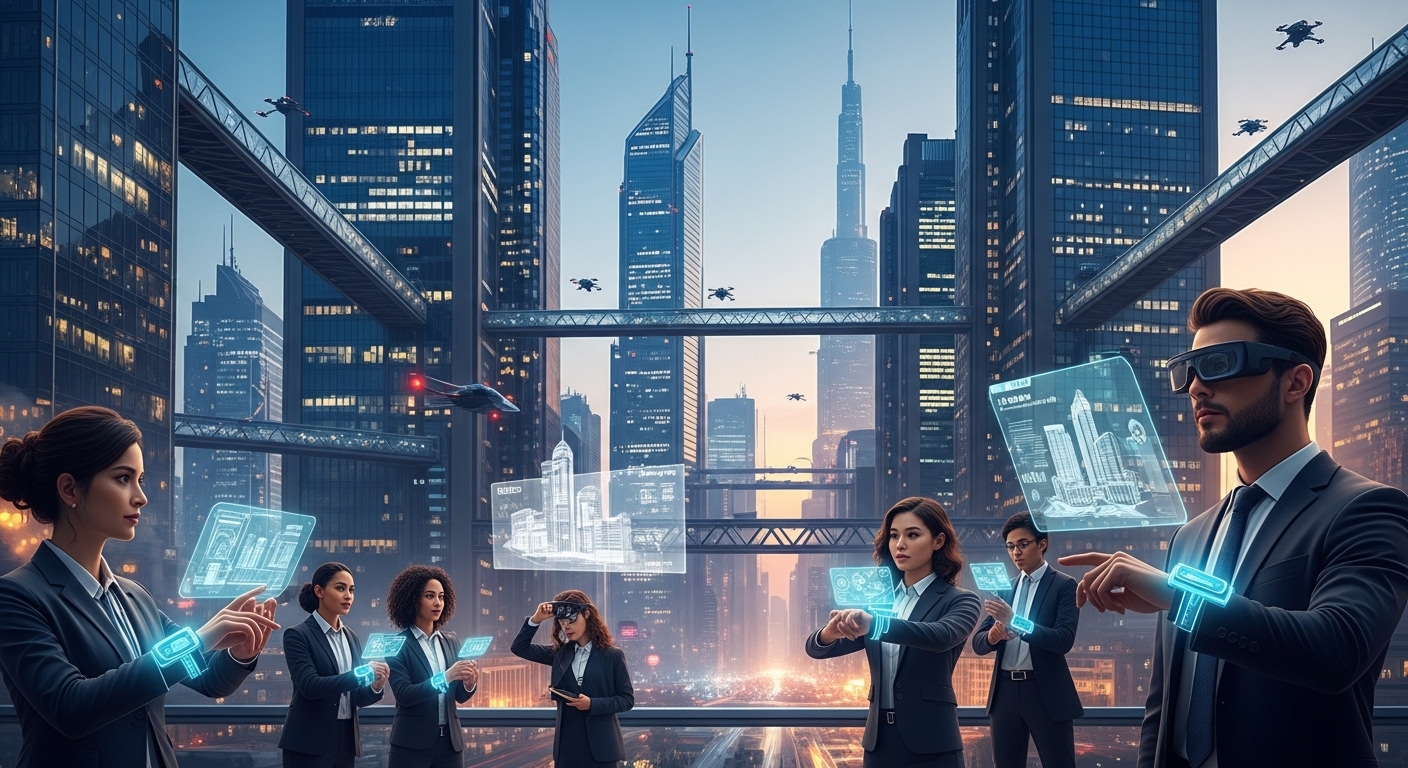
Technology has become the foundation of modern civilization, influencing nearly every aspect of daily life. From communication and healthcare to education and entertainment, technological advancements are reshaping how humans interact with the world. Innovations in artificial intelligence, robotics, digital platforms, and connectivity have transformed industries and created opportunities once unimaginable. As technology continues to evolve at an unprecedented pace, it presents both remarkable possibilities and complex challenges. Understanding these changes is essential to appreciating the role technology plays in shaping the present and future.
This blog explores the evolution of technology, its impact on society, and its influence across different sectors, highlighting the ways in which innovation is driving human progress.
The Evolution of Technology
Technology has a long and rich history, beginning with simple tools designed to improve human survival. Early humans used stone tools, fire, and early forms of agriculture to meet basic needs. These early innovations laid the groundwork for more advanced inventions, allowing civilizations to flourish.
Throughout history, major milestones in technology have driven societal change. Ancient civilizations developed complex irrigation systems, transportation networks, and mechanical devices that enhanced productivity and daily life. The Industrial Revolution introduced machines powered by steam and electricity, drastically increasing manufacturing capabilities and urban development.
The 20th century witnessed the rise of computers, telecommunications, and the internet. These developments enabled rapid information exchange, global connectivity, and new forms of business and entertainment. Today, technology continues to evolve through innovations in artificial intelligence, the Internet of Things, biotechnology, and virtual reality, fundamentally transforming how people live and work.
Digital Transformation: Redefining Modern Life
Digital transformation refers to the integration of digital technologies into all areas of life, fundamentally changing how businesses operate and how people interact. This transformation has touched every industry, from banking and retail to healthcare and education.
E-commerce platforms have revolutionized shopping, offering consumers global access to products at their fingertips. Cloud computing allows businesses to operate efficiently across locations, enabling real-time collaboration and data management. In education, digital platforms provide access to interactive lessons, virtual classrooms, and global learning communities. Governments are using digital tools to improve public services, streamline operations, and engage citizens more effectively.
Digital transformation is not just about implementing technology; it is about rethinking processes and creating value in innovative ways. It empowers individuals and organizations to respond quickly to changes and opportunities in the modern world.
Artificial Intelligence: The Rise of Smart Machines
Artificial intelligence, commonly known as AI, has emerged as a key driver of technological progress. AI systems are capable of learning, reasoning, and making decisions, enabling applications such as virtual assistants, recommendation engines, autonomous vehicles, and predictive analytics.
In healthcare, AI helps diagnose diseases with remarkable accuracy, identifies patterns in patient data, and suggests personalized treatment plans. In finance, AI detects fraudulent activity, optimizes investment strategies, and improves customer service. Retailers utilize AI to personalize shopping experiences and manage inventory efficiently, while transportation companies leverage AI for route optimization and self-driving technology.
While AI offers enormous potential, it also raises ethical and social concerns. Issues such as job displacement, algorithmic bias, and privacy must be addressed to ensure that AI contributes positively to society. Responsible development and deployment of AI are essential to maximize benefits while minimizing risks.
The Internet of Things: Connecting the World
The Internet of Things, or IoT, refers to the network of physical devices connected to the internet that can communicate and exchange data. IoT devices are integrated into everyday life, from smart homes and wearable fitness trackers to connected vehicles and industrial machinery.
In healthcare, IoT devices monitor vital signs and enable remote consultations, improving patient care. In agriculture, IoT sensors optimize irrigation and monitor crop health, enhancing productivity. Smart cities use IoT to manage traffic, energy consumption, and public services efficiently.
The expansion of high-speed networks, such as 5G, enhances the potential of IoT by enabling faster data transfer, real-time analytics, and more sophisticated applications. IoT represents a step toward a fully connected, intelligent world where devices work together to improve efficiency and quality of life.
Technology in Education
Technology has transformed education by making it more accessible, interactive, and personalized. Online learning platforms and digital classrooms allow students to access educational resources from anywhere, breaking down traditional geographical barriers.
Artificial intelligence enhances education by adapting lessons to individual learning styles and monitoring student progress. Virtual reality and augmented reality provide immersive experiences, enabling students to explore scientific concepts, historical events, or complex processes in an interactive way.
By democratizing access to education, technology empowers learners to develop skills, pursue new knowledge, and participate in global learning networks. The integration of technology into education is shaping a generation that is digitally literate, adaptable, and prepared for the challenges of the modern world.
Healthcare Innovation Through Technology
Healthcare has experienced unprecedented advancements due to technology. Telemedicine allows patients to consult doctors remotely, making healthcare more accessible. Robotic-assisted surgeries improve precision and reduce recovery times, while wearable devices monitor health metrics in real time.
AI supports healthcare professionals by analyzing medical data, predicting outcomes, and identifying early signs of diseases. Biotechnology and genetic research enable personalized treatments tailored to individual patients. Technology also facilitates public health initiatives, helping track disease outbreaks and optimize resource allocation.
These innovations not only improve patient outcomes but also make healthcare systems more efficient, responsive, and equitable. Technology continues to redefine the way health services are delivered and experienced worldwide.
Communication in the Digital Era
Technology has revolutionized communication, making it instant, global, and interactive. Social media platforms, messaging apps, and video conferencing tools allow people to connect across distances in real time.
Digital communication has transformed both personal interactions and professional collaborations. Businesses engage customers more effectively, teams collaborate remotely, and communities connect around shared interests.
However, the digital era also presents challenges. The spread of misinformation, online harassment, and privacy concerns requires careful navigation. Promoting digital literacy and responsible communication practices is essential for a safe and productive online environment.
Technology and the Environment
Technology has a significant impact on the environment. Industrial processes and electronic waste contribute to pollution and resource depletion. At the same time, technology provides tools to address environmental challenges and promote sustainability.
Renewable energy technologies, such as solar, wind, and hydroelectric power, reduce dependence on fossil fuels. Smart grids optimize energy distribution, while environmental monitoring systems track air and water quality. Advances in recycling and sustainable materials help reduce waste and protect ecosystems.
Responsible application of technology can mitigate environmental harm while supporting economic and social development, ensuring a balance between progress and ecological stewardship.
Automation and the Future of Work
Automation and robotics are reshaping industries by performing repetitive, hazardous, and time-intensive tasks. Manufacturing, logistics, and agriculture benefit from increased efficiency, accuracy, and safety.
Remote work technologies and digital collaboration tools have redefined the workplace, enabling employees to work from anywhere in the world. However, automation raises concerns about job displacement and the need for new skills. Continuous learning, adaptability, and technological literacy are critical for workforce success in a rapidly evolving environment.
Ethical Challenges in Technology
Rapid technological advancement brings ethical considerations that must be addressed. Data privacy, cybersecurity, and algorithmic fairness are critical issues in a digitally connected world. Artificial intelligence, autonomous systems, and big data must be governed responsibly to prevent misuse and ensure equitable outcomes.
Technology should enhance human well-being, support fairness, and maintain societal values. Ethical frameworks, transparency, and accountability are essential to guide the development and application of emerging technologies.
Emerging Technologies and the Future
Emerging technologies such as quantum computing, augmented reality, and biotechnology have the potential to redefine what is possible. Quantum computing can solve complex problems beyond the capabilities of traditional computers. Augmented and virtual reality enhance learning, entertainment, and professional training. Biotechnology advances medicine, agriculture, and environmental management.
The future of technology depends on its responsible development and implementation. Innovations must prioritize sustainability, inclusivity, and ethics to ensure that they benefit humanity as a whole.
Conclusion: Embracing the Tech Horizon
Technology is a transformative force that influences every aspect of life. From communication and healthcare to education and industry, it empowers humanity to achieve more than ever before. At the same time, it presents challenges that require careful consideration of ethics, privacy, and sustainability.
The ongoing journey of technological innovation is not just about machines or software; it is about human progress, creativity, and problem-solving. By embracing technology responsibly and thoughtfully, society can build a smarter, more connected, and resilient future. The possibilities are limitless, and the choices we make today will shape the world for generations to come.
Technology is more than tools; it is a lens through which humanity can redefine its potential, solve complex problems, and create a future where innovation and ethics coexist for the benefit of all.