Introduction
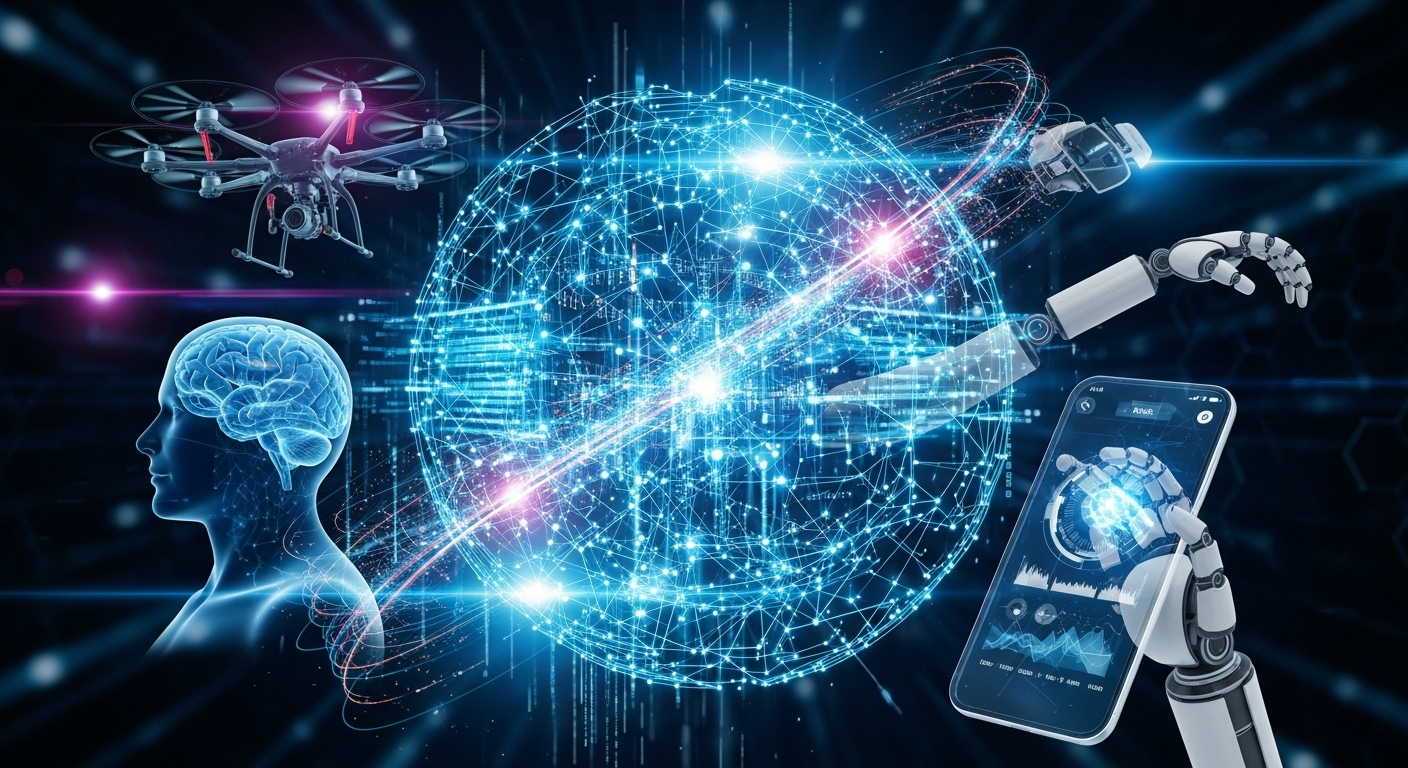
The 21st century has ushered in a technological renaissance, redefining how humans interact with the world. Technology no longer serves as a mere convenience; it is a driving force behind social, economic, and cultural transformations. From artificial intelligence to quantum computing, modern innovations influence every facet of human life, reshaping industries, communication, education, entertainment, and healthcare.
This blog explores how technology has evolved, its current applications, its societal and ethical implications, and the future it promises. By understanding these aspects, we can appreciate the profound impact technology has on our daily lives and global progress.
The Evolution of Technology
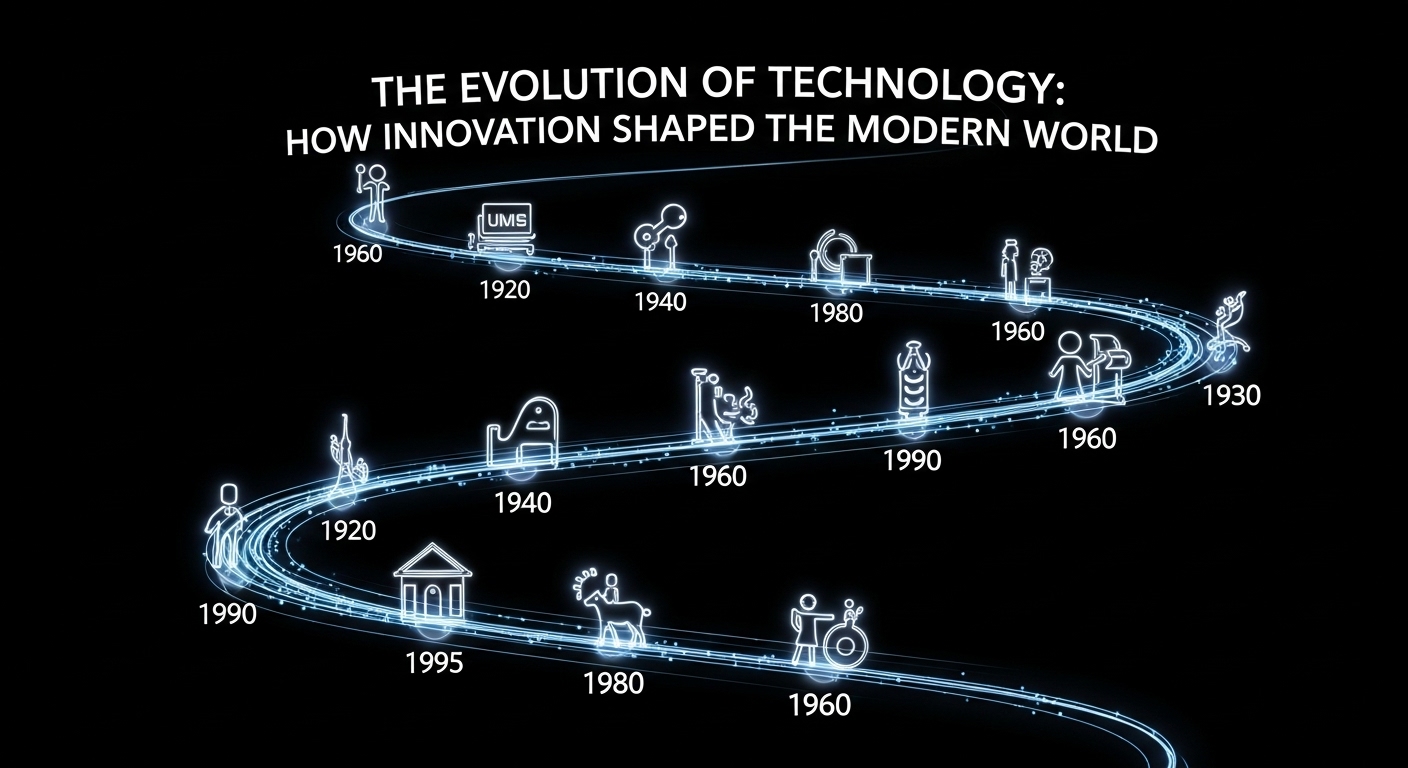
Human history is a story of innovation. Early technological developments such as stone tools, fire, and the wheel enabled humans to survive and thrive. Later, the Industrial Revolution brought mechanization, electricity, and mass production, fundamentally changing society and economics.
The 20th century marked the digital age, with computers and the internet revolutionizing communication, commerce, and information accessibility. Personal computers transformed work and leisure, while the internet connected people globally, creating opportunities for commerce, collaboration, and education. Today, we live in an era where technological evolution happens at an unprecedented pace, reshaping society continuously.
Computing Technology and Its Applications
Computers form the backbone of modern innovation. Personal computers, laptops, and high-performance servers are essential for work, research, and entertainment. High-performance computing powers simulations, scientific research, data analysis, and AI development.
In everyday life, computing technology enables content creation, digital collaboration, gaming, and virtual experiences. Computers facilitate problem-solving at both individual and organizational levels, demonstrating their central role in human progress.
Artificial Intelligence and Machine Learning
Artificial intelligence and machine learning represent some of the most transformative technological developments. AI allows machines to analyze data, recognize patterns, and make decisions, while machine learning allows these systems to adapt and improve over time.
In healthcare, AI assists in diagnostics, drug discovery, and patient monitoring. In finance, AI predicts market trends, detects fraud, and automates trading. AI-powered systems also drive personalized experiences in entertainment, education, and e-commerce. The integration of AI into daily life is redefining efficiency, personalization, and decision-making.
Robotics and Automation
Robotics and automation have revolutionized industries. Industrial robots enhance precision, efficiency, and productivity in manufacturing and logistics. Autonomous systems, including drones and self-driving vehicles, optimize operations in transportation and delivery networks.
Healthcare robotics supports complex surgeries, rehabilitation, and patient care, enhancing safety and outcomes. Service robots in hospitality, education, and retail expand technological benefits beyond traditional industrial applications. Automation is reshaping workplaces and creating new avenues for human collaboration and innovation.
Mobile Technology and Connectivity
Mobile technology has dramatically transformed communication, information access, and lifestyle. Smartphones integrate computing power, connectivity, and multimedia capabilities into a single device. Mobile apps enable remote work, social interaction, banking, learning, and gaming.
Mobile technology democratizes access to information and services, bridging geographic and socioeconomic gaps. The integration of mobile devices into daily life influences social trends, cultural behavior, and business strategies, making them indispensable tools in modern society.
Cloud Computing and Digital Infrastructure
Cloud computing allows for scalable, flexible, and cost-effective management of data and applications. Businesses leverage cloud platforms for collaboration, software deployment, and data analysis without the constraints of physical infrastructure.
The cloud supports online education, streaming platforms, digital entertainment, and enterprise operations. Its flexibility accelerates innovation, enhances scalability, and reduces operational costs. Cloud computing is a cornerstone of the modern digital ecosystem, enabling real-time connectivity and seamless access to resources.
The Internet of Things (IoT)
IoT connects everyday devices to the internet, creating intelligent networks that enable communication, monitoring, and automation. Smart homes, wearables, and connected vehicles improve convenience, efficiency, and safety.
In industrial contexts, IoT allows predictive maintenance, real-time monitoring, and operational optimization. Smart cities leverage IoT for energy management, traffic control, and public services. This interconnectedness transforms how people interact with their environment, highlighting the growing importance of connected devices.
Cybersecurity and Data Protection
As technology becomes increasingly pervasive, cybersecurity is critical for protecting data, systems, and infrastructure. Cyberattacks, data breaches, and identity theft are growing threats in a connected world.
Robust cybersecurity measures include encryption, multi-factor authentication, firewalls, and threat detection. Ethical practices and regulatory compliance ensure the safe use of technology, building trust in digital systems. Protecting digital assets is essential for maintaining stability, privacy, and societal confidence in technology.
Technology in Education
Educational technology has transformed learning methods and accessibility. Online platforms, virtual classrooms, and AI-powered tutoring provide personalized, flexible, and interactive education.
Simulation and gamification technologies enhance engagement, particularly in complex subjects like science, technology, engineering, and mathematics. Students worldwide can access knowledge and expertise through digital platforms, leveling the educational playing field and preparing learners for a technology-driven future.
Gaming and Entertainment Technology
Gaming and entertainment have been revolutionized by technology. High-definition graphics, AI-driven gameplay, and interactive media create immersive experiences. Online multiplayer games connect players globally, forming communities and competitive ecosystems.
Virtual reality and augmented reality offer new dimensions of interaction, blending the digital and physical worlds. VR fully immerses users, while AR overlays digital information onto real environments. These technologies are transforming entertainment, storytelling, and social interaction, making digital experiences more dynamic and engaging.
Transportation and Mobility Innovations
Technology is reshaping transportation through electric vehicles, autonomous cars, and intelligent traffic systems. Electric vehicles reduce environmental impact, while autonomous driving promises safer, more efficient travel.
Smart transportation networks and data-driven traffic management improve urban mobility. Logistics and public transportation systems benefit from advanced technology, enhancing efficiency, convenience, and sustainability. Technological innovation is redefining how people and goods move through cities and across regions.
Healthcare Technology
Healthcare has been revolutionized by technological advancements. AI, robotics, wearable devices, and telemedicine improve diagnostics, treatment, and patient monitoring.
Biotechnology, genomics, and advanced imaging technologies enable personalized medicine and accelerate research. Technology enhances patient care, reduces operational costs, and expands healthcare access, making medical services more efficient and precise than ever before.
Environmental Technology and Sustainability
Technology plays a crucial role in environmental conservation and sustainability. Renewable energy solutions, smart grids, and energy-efficient systems reduce carbon footprints and promote sustainable practices.
Environmental monitoring, AI-driven predictive analysis, and resource optimization support sustainable agriculture, water conservation, and pollution management. Integrating technology into environmental solutions enables societies to tackle climate change and manage natural resources responsibly.
Ethical Implications of Technology
The rise of advanced technology brings ethical considerations to the forefront. Privacy, algorithmic bias, data security, and equal access are major concerns. Developers and policymakers must ensure that technological innovations benefit society fairly and responsibly.
Ethical frameworks guide the development and use of technology, emphasizing transparency, accountability, and inclusivity. Addressing these concerns ensures that progress does not compromise societal values or human rights.
Emerging Technologies and Future Outlook
The future of technology is both exciting and transformative. Quantum computing promises unprecedented computational power, while AI and neural interfaces could redefine human-computer interaction. The metaverse, virtual worlds, and immersive digital environments will reshape social, professional, and entertainment experiences.
Nanotechnology, biotechnology, and robotics are set to revolutionize medicine, agriculture, and manufacturing. Emerging technologies will continue to blur the boundaries between the physical and digital realms, unlocking new opportunities for human creativity, productivity, and innovation.
Conclusion
Technology is more than a tool; it is a transformative force shaping modern civilization. From AI and robotics to cloud computing, IoT, and mobile innovation, technological advancements impact nearly every aspect of life. They enhance productivity, improve healthcare, revolutionize education, and redefine entertainment, while also presenting ethical and security challenges.
By embracing innovation responsibly and ethically, society can harness technology’s potential to improve quality of life, expand opportunities, and build a sustainable and interconnected future. The technological renaissance is not merely ongoing; it is accelerating, offering limitless possibilities for those prepared to adapt and innovate.