
Introduction
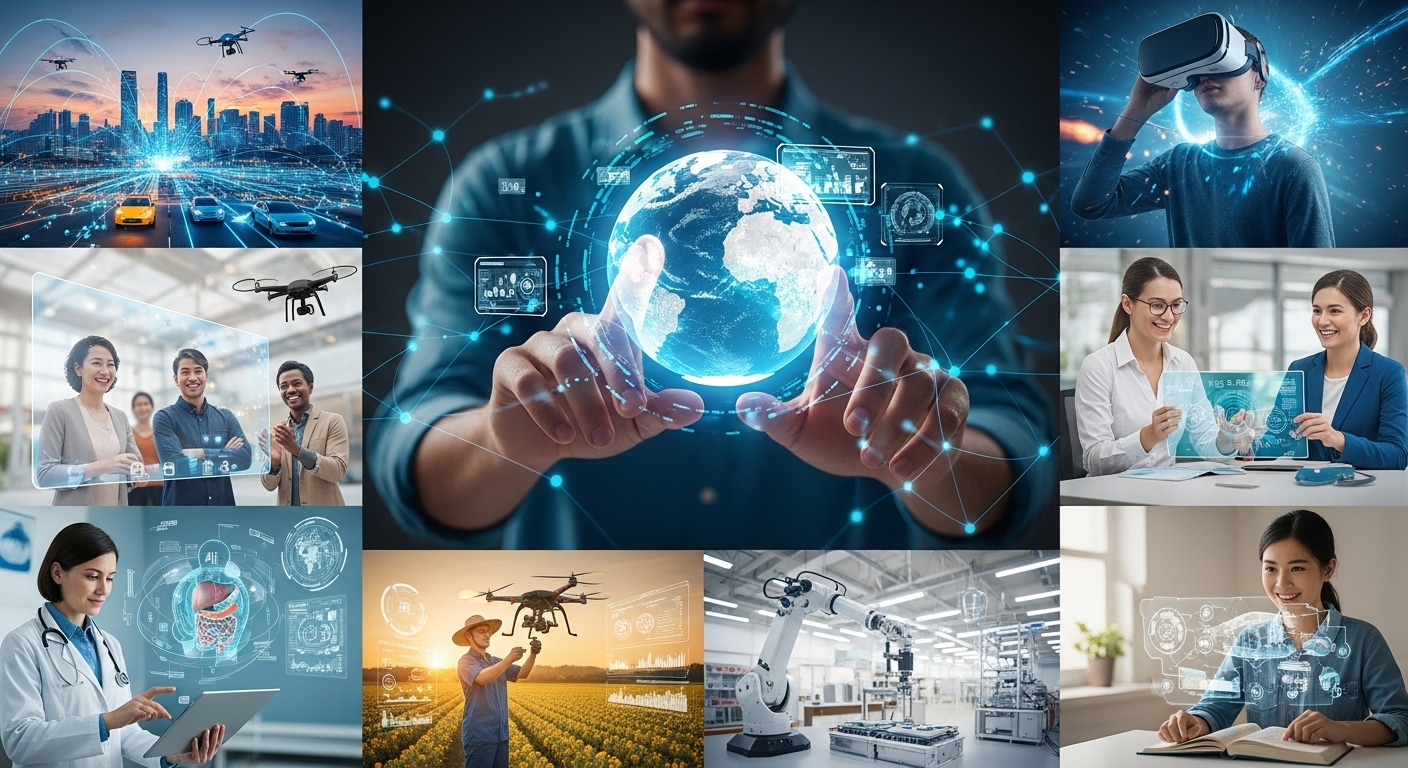
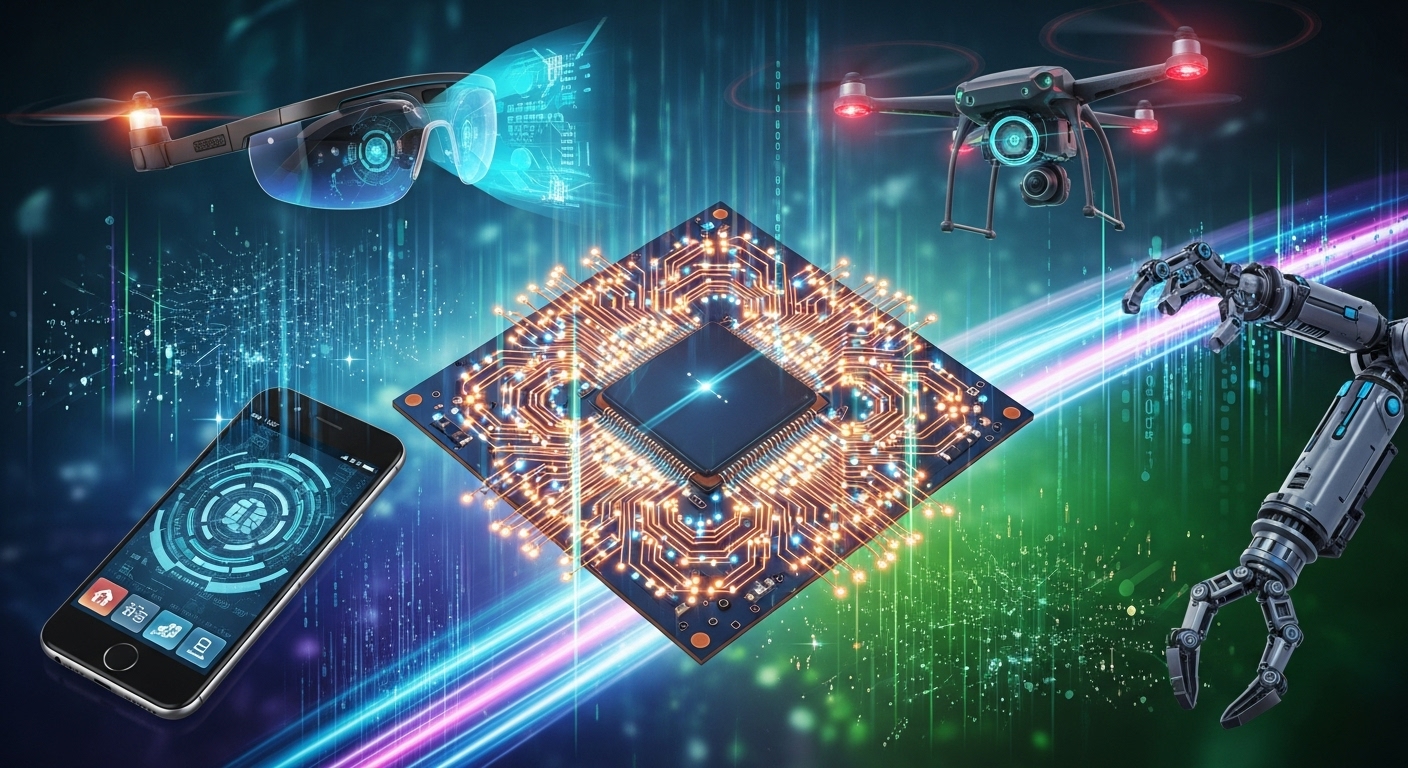
In the span of just a few decades, technology has evolved from a mere tool to an integral part of our daily lives. It has permeated every aspect of our existence, from how we work and communicate to how we shop, travel, and even think. The world is witnessing a rapid acceleration in technological advancements, and the possibilities seem endless. With the introduction of artificial intelligence, the rise of the Internet of Things (IoT), blockchain innovations, and the ever-expanding digital ecosystem, we are stepping into a future that was once imagined only in science fiction.
In this blog post, we will explore the major technological trends that are transforming our world, their impact on society, and what we can expect as we continue to evolve into an increasingly digital and connected world.
The Beginnings of the Digital Revolution
The journey of modern technology began in the mid-20th century when the first computers were developed. These early machines were massive and complicated, typically used for complex calculations in fields such as military operations, scientific research, and finance. However, it was only after the advent of personal computers in the 1970s and 1980s that computing became more accessible to the general public.
The rise of companies like Apple, IBM, and Microsoft brought computing power into homes and offices. Early machines such as the Apple II and IBM PC introduced the idea that personal computers could be used for productivity, education, and entertainment. As software developers created new applications, the demand for personal computers grew rapidly, and technology began to permeate daily life.
In the 1990s, the internet became a game-changer. With the introduction of the World Wide Web and web browsers like Netscape Navigator, people could suddenly connect to a vast network of information, conduct business online, and communicate with others across the globe. The internet opened up a world of possibilities, and the digital revolution truly began.
The Age of Connectivity: The Rise of Smartphones
While personal computers and the internet paved the way for the digital world, it was the smartphone that truly revolutionized how we connect, consume information, and experience entertainment. The launch of the iPhone in 2007 marked a significant shift in technology. By combining a phone, a computer, a camera, and a media player into one device, smartphones offered unprecedented convenience and functionality.
With the advent of app stores, the smartphone became an essential tool for everyday life. From checking emails and making video calls to shopping online and controlling smart home devices, the smartphone has become a central hub for nearly every aspect of modern living. Applications for entertainment, social networking, productivity, and health have turned smartphones into indispensable tools.
As the smartphone evolved, so did the ways in which we interact with it. Touchscreens, voice assistants like Siri and Google Assistant, facial recognition, and biometric sensors have enhanced the user experience, making smartphones smarter, more intuitive, and more integrated into daily routines.
Artificial Intelligence: The Brain Behind the Machine
Perhaps the most transformative technology in the modern era is artificial intelligence (AI). While AI is not a new concept, it has seen significant advancements in recent years. AI refers to machines that can perform tasks that would typically require human intelligence, such as decision-making, speech recognition, and problem-solving. These systems can learn from data, adapt to new information, and even make predictions based on patterns.
Machine learning, a subset of AI, has been particularly impactful. By analyzing vast amounts of data, machine learning algorithms can recognize patterns, make decisions, and improve their performance over time without explicit programming. This technology is already embedded in various applications, from voice assistants like Alexa and Siri to recommendation algorithms on platforms like Netflix and YouTube.
In industries like healthcare, AI is helping doctors diagnose diseases, analyze medical images, and even assist in surgeries. In finance, AI algorithms are used to predict market trends, detect fraud, and optimize investment portfolios. Autonomous vehicles, which use AI for navigation and decision-making, are poised to revolutionize transportation, promising safer roads and more efficient travel.
As AI continues to advance, it raises important questions about ethics, job displacement, and privacy. The growing capabilities of AI challenge us to rethink how we interact with machines, the role they play in our lives, and how we regulate their use.
The Internet of Things: Connecting the World Around Us
The Internet of Things (IoT) refers to the network of physical objects that are embedded with sensors, software, and other technologies to connect and exchange data over the internet. From smart thermostats and wearable fitness trackers to connected cars and smart refrigerators, IoT devices are increasingly becoming a part of our everyday lives.
The ability to collect and analyze data from these connected devices has the potential to revolutionize entire industries. In the healthcare sector, IoT devices allow for real-time monitoring of patients’ vital signs, enabling remote care and reducing hospital visits. In the manufacturing industry, IoT sensors are used to monitor equipment and predict failures before they occur, minimizing downtime and reducing maintenance costs.
In smart cities, IoT devices are being used to monitor traffic patterns, optimize energy usage, and enhance public safety. The development of smart homes, where devices like lighting, security systems, and appliances are interconnected, is another example of how IoT is improving convenience, efficiency, and quality of life.
However, the proliferation of IoT devices also raises concerns about security and privacy. As more devices become interconnected, the risks of data breaches and cyberattacks increase. Ensuring that IoT devices are secure and that personal data is protected will be crucial as the IoT ecosystem continues to grow.
Blockchain Technology: Revolutionizing Trust and Security
Blockchain technology, which underpins cryptocurrencies like Bitcoin, is another groundbreaking innovation that is reshaping industries and redefining the concept of trust and transparency. A blockchain is a decentralized and distributed digital ledger that records transactions across many computers in a way that is secure, transparent, and immutable. Once data is added to a blockchain, it cannot be altered or tampered with, making it highly secure.
Blockchain has the potential to revolutionize various industries beyond cryptocurrencies. In supply chain management, blockchain can be used to track the movement of goods from manufacturer to consumer, ensuring transparency and reducing the risk of fraud. In healthcare, blockchain could be used to store patient records securely, providing patients with greater control over their data.
One of the most exciting applications of blockchain is in the area of decentralized finance (DeFi). Traditional financial systems rely on banks and intermediaries to process transactions, but blockchain allows for peer-to-peer transactions without the need for intermediaries. This has the potential to make financial services more accessible, especially in underbanked regions of the world.
Despite its promise, blockchain technology is still in its early stages, and there are challenges to overcome, such as scalability and energy consumption. However, the continued development of blockchain could have far-reaching implications for how we conduct business, store data, and interact with the digital world.
The Future of Technology: What’s Next?
As we look to the future, the rapid pace of technological innovation shows no signs of slowing down. New advancements in fields like quantum computing, biotechnology, and space exploration are likely to change the way we understand and interact with the world around us.
Quantum computing, for instance, promises to revolutionize computing by solving complex problems that are currently beyond the reach of classical computers. These systems use the principles of quantum mechanics to perform calculations at incredible speeds, with potential applications in fields like cryptography, drug discovery, and artificial intelligence.
In the field of biotechnology, advancements in gene editing and personalized medicine could lead to breakthroughs in treating diseases and extending human life. Technologies like CRISPR allow scientists to edit genes with unprecedented precision, opening up possibilities for curing genetic disorders and even enhancing human traits.
Space exploration is also entering a new era. Private companies like SpaceX are making space travel more affordable and accessible, and the prospect of colonizing other planets may soon become a reality. The development of reusable rockets and advancements in propulsion technologies could lead to a new wave of space exploration and the discovery of resources in outer space.
The future of technology is exciting, but it also presents challenges. Issues related to privacy, cybersecurity, job displacement, and ethical considerations will need to be addressed as we continue to innovate. As technology evolves, it’s essential that we strike a balance between progress and responsibility, ensuring that these innovations benefit society as a whole.
Conclusion
Technology is advancing at an unprecedented rate, and its impact on our lives is profound. From artificial intelligence and the Internet of Things to blockchain and quantum computing, the digital revolution is transforming the way we live, work, and interact with the world. As we continue to push the boundaries of what’s possible, we must consider the ethical implications of these advancements and ensure that they are used for the greater good.
The future is full of possibilities, and the role of technology in shaping that future will be crucial. By embracing innovation while remaining mindful of its potential risks, we can create a world where technology enhances human life, fosters economic growth, and addresses some of the most pressing challenges of our time. The digital frontier is just beginning, and the journey ahead promises to be an exciting one.