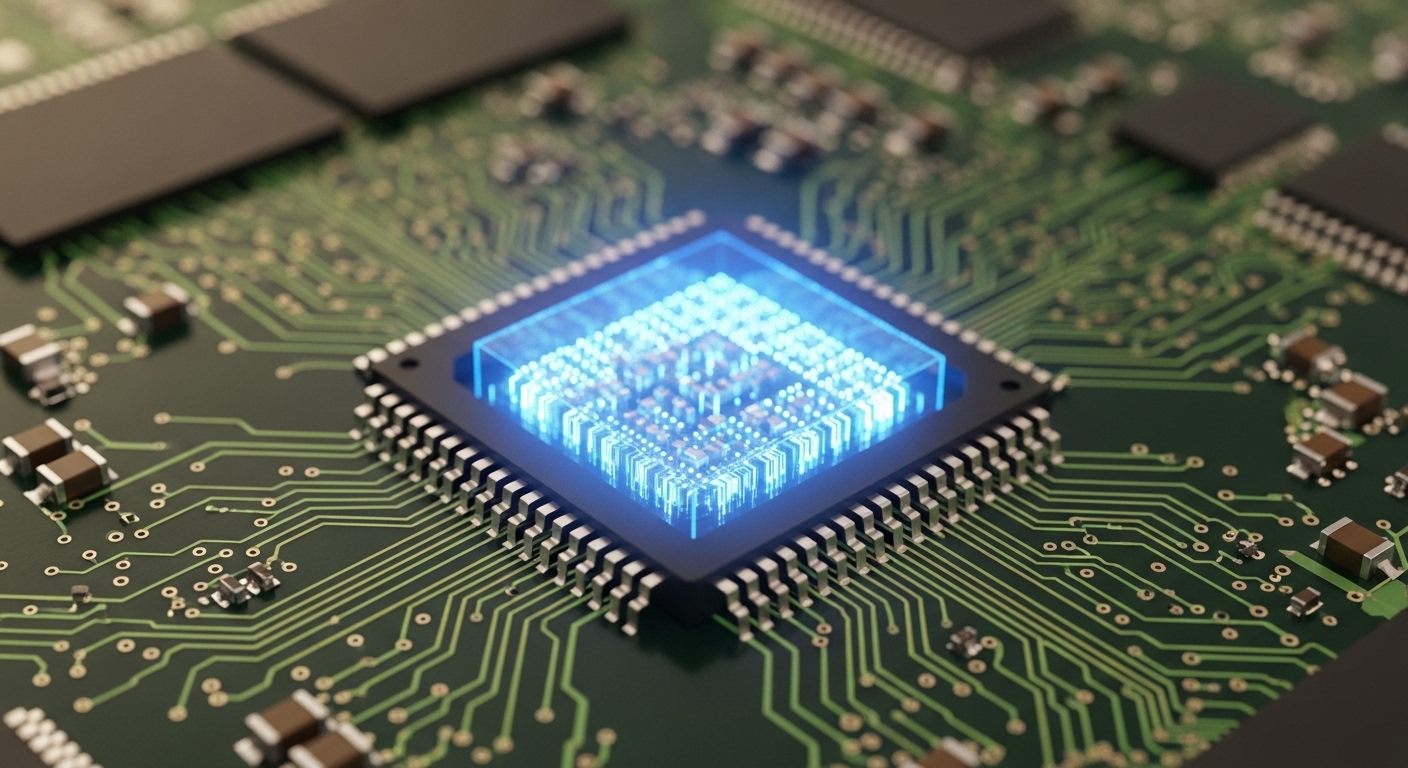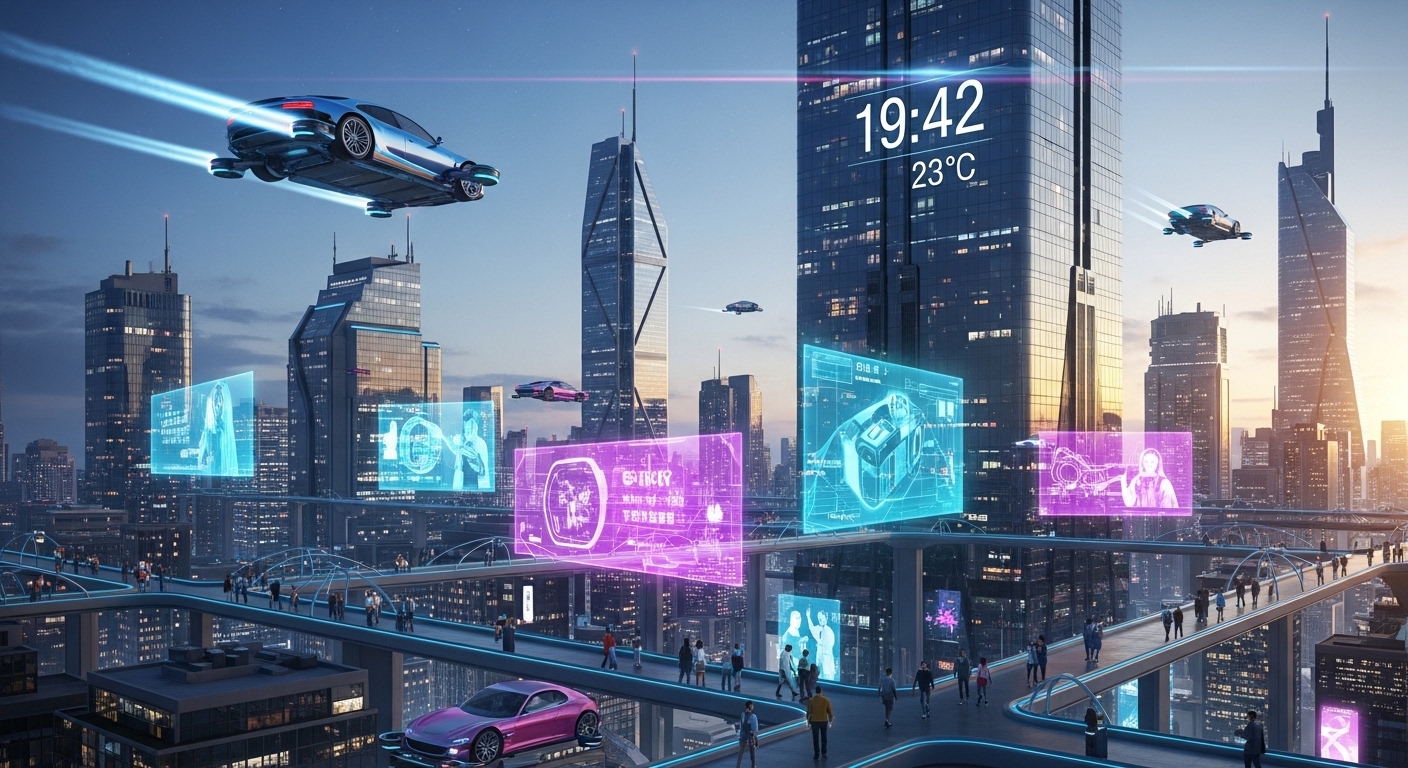

In the fast-paced world of technology, changes happen so rapidly that it’s often hard to keep up. From artificial intelligence to quantum computing, the tech trends emerging today are set to shape our world in ways we can only begin to imagine. As we continue to progress through the digital age, these technologies will redefine how we work, communicate, and live. In this blog post, we’ll explore some of the most exciting tech trends that are already changing the world—and how they’ll influence our future.
The Rise of Artificial Intelligence: A Smarter World Ahead
Artificial Intelligence (AI) has been a hot topic for years, but it’s no longer just a futuristic concept. AI is already embedded in many aspects of our daily lives, from personalized recommendations on Netflix to voice assistants like Alexa and Siri. But beyond these common applications, AI is making strides in fields like healthcare, finance, and customer service, becoming a crucial tool in solving complex problems.
In healthcare, AI is revolutionizing diagnosis and treatment by analyzing medical images with greater accuracy than human doctors. AI algorithms are also helping predict outbreaks, improving patient care through personalized treatments, and speeding up drug discovery processes. In finance, AI is transforming how banks manage risks, detect fraud, and make investment decisions. The ability of AI to process vast amounts of data in real-time makes it invaluable in industries where speed and precision are essential.
Looking ahead, AI’s capabilities are expected to grow exponentially. We can expect to see more intelligent, adaptive systems that will not only assist in daily tasks but will also become critical in solving some of the world’s most pressing challenges, from climate change to disease prevention.
5G: The Backbone of Tomorrow’s Connectivity
The next generation of mobile networks, 5G, is on the horizon and promises to bring about a significant shift in connectivity. Compared to 4G, 5G offers lightning-fast speeds, ultra-low latency, and the ability to connect more devices simultaneously. This new level of connectivity will pave the way for innovations in smart cities, autonomous vehicles, and the Internet of Things (IoT).
With 5G, cities can become smarter, with sensors monitoring traffic flow, energy consumption, and even air quality in real-time. Autonomous vehicles, which require constant communication with other cars and infrastructure, will become more reliable and safe with the ultra-fast speeds that 5G provides. Moreover, 5G will drive the next wave of innovation in augmented reality (AR) and virtual reality (VR), offering immersive experiences that are only possible with high-speed, low-latency networks.
While 5G’s full potential is still being realized, it’s clear that this technology will be the backbone of tomorrow’s connected world. The possibilities are endless, and as more devices, machines, and systems become connected, we’re moving closer to a fully integrated digital society.
Blockchain: Transforming Trust and Transparency
Blockchain technology is often associated with cryptocurrencies like Bitcoin, but its potential goes far beyond digital currencies. Blockchain offers a secure, transparent way to record transactions in a decentralized, tamper-proof ledger. This unique characteristic makes blockchain ideal for applications in areas where trust and transparency are paramount, such as supply chain management, voting systems, and even healthcare.
In the supply chain, blockchain allows for real-time tracking of products, providing full transparency from production to delivery. Consumers can see exactly where their products come from, ensuring they meet ethical and environmental standards. In healthcare, blockchain can securely store patient data and enable efficient sharing between providers, giving patients greater control over their own medical information.
Blockchain’s decentralized nature also opens up the possibility of new models for financial services, allowing peer-to-peer transactions without the need for traditional intermediaries. As the technology matures, blockchain will continue to disrupt industries by providing more secure, efficient, and transparent solutions.
Quantum Computing: A New Era of Computing Power
Quantum computing is an emerging field that promises to revolutionize how we solve complex problems. Unlike classical computers, which use bits to process information, quantum computers use qubits, which can exist in multiple states simultaneously. This allows quantum computers to perform calculations much faster than traditional machines, particularly for problems that involve massive amounts of data.
While quantum computing is still in its early stages, it holds immense potential for fields like cryptography, drug discovery, and climate modeling. For example, quantum computers could be used to simulate molecular structures, speeding up the process of developing new medications. In cybersecurity, quantum computing could create unbreakable encryption methods, providing a level of security that’s currently impossible with classical computers.
Although quantum computing is not yet ready for mainstream use, researchers are making significant progress. As the technology advances, we can expect to see breakthroughs that will unlock new possibilities in fields ranging from artificial intelligence to material science.
Wearables: The Future of Personal Health Monitoring
Wearable technology has evolved far beyond simple fitness trackers. Today, devices like the Apple Watch and Fitbit are equipped with advanced sensors that track everything from heart rate to blood oxygen levels, providing users with real-time insights into their health and well-being. But wearables are set to become even more powerful, with the potential to monitor chronic conditions and detect health issues before they become critical.
For example, some wearable devices are now capable of detecting irregular heartbeats, providing early warnings for conditions like arrhythmia. Others are being developed to monitor blood sugar levels for people with diabetes, offering real-time feedback on their health. These advancements are empowering individuals to take a more proactive approach to their health and enabling doctors to offer more personalized treatments.
As wearables become more sophisticated, they will play an increasingly important role in preventive healthcare, helping people manage their health on a daily basis and potentially saving lives through early detection of medical issues.
Autonomous Vehicles: The Future of Transportation
Autonomous vehicles (AVs) are one of the most talked-about innovations in the tech world, and for good reason. Self-driving cars have the potential to drastically change the transportation industry, making travel safer, more efficient, and more accessible. AVs use a combination of sensors, cameras, and artificial intelligence to navigate the world around them, making real-time decisions about speed, direction, and safety.
The biggest impact of AVs will likely be on road safety. Human error is responsible for the majority of traffic accidents, and autonomous vehicles have the potential to reduce these incidents by removing the risk of driver mistakes. In addition, self-driving cars could alleviate traffic congestion, optimize routes, and reduce the environmental impact of transportation by enabling more efficient driving patterns.
As the technology continues to evolve, the adoption of autonomous vehicles will reshape everything from urban planning to the job market, as many driving-related jobs will eventually be automated. The future of transportation is on the brink of a major transformation, and autonomous vehicles are leading the charge.
Augmented Reality and Virtual Reality: Changing How We Experience the World
Augmented Reality (AR) and Virtual Reality (VR) are technologies that are changing how we interact with the digital world. AR overlays digital information onto the real world, enhancing our perception of reality. VR, on the other hand, creates entirely immersive digital environments that can simulate real-world or imagined experiences.
In the entertainment industry, AR and VR are already being used to create immersive gaming experiences that transport players into entirely new worlds. But these technologies are also being applied in fields like education, healthcare, and retail. In education, AR can bring textbooks to life, allowing students to interact with 3D models and learn in a more engaging way. In healthcare, VR is used for training doctors and performing virtual surgeries, while AR can help surgeons by overlaying vital information onto their field of vision during operations.
As AR and VR technologies continue to improve, we can expect them to play an even larger role in our everyday lives, offering new ways to work, learn, and experience the world around us.
Conclusion: Embracing the Future of Technology
As we move forward, the technologies discussed here—AI, 5G, blockchain, quantum computing, wearables, autonomous vehicles, and AR/VR—will continue to shape our world in profound ways. The pace of innovation is accelerating, and we are entering an era where the impossible becomes possible.
However, with these advancements come new challenges. As we integrate more technology into our lives, it’s important to consider the ethical implications, privacy concerns, and potential disruptions to the workforce. The future of technology is bright, but it requires responsible adoption and thoughtful consideration.
The next decade will be an exciting time for tech enthusiasts and innovators alike, as we witness the birth of technologies that will transform how we live, work, and connect with the world. The journey ahead is full of endless possibilities, and the future has never looked more promising.