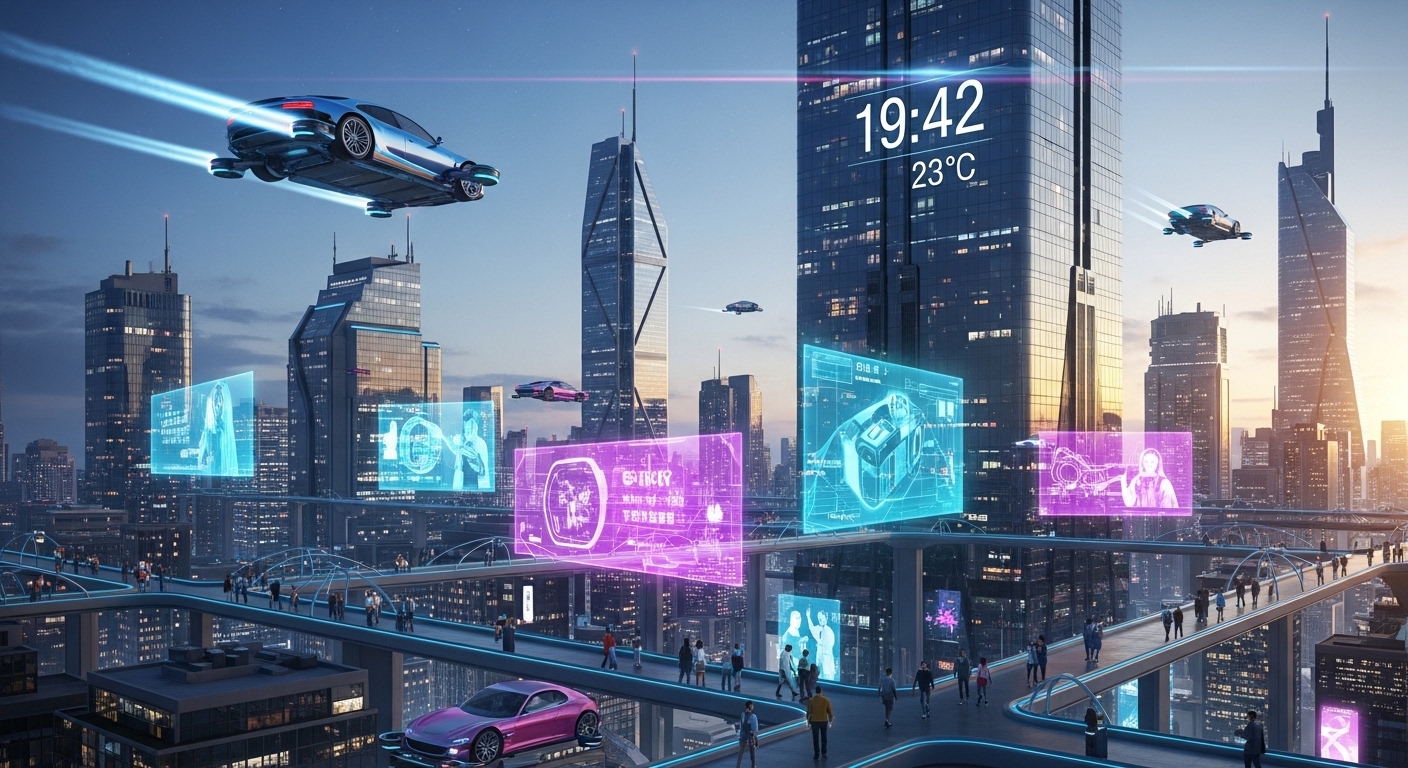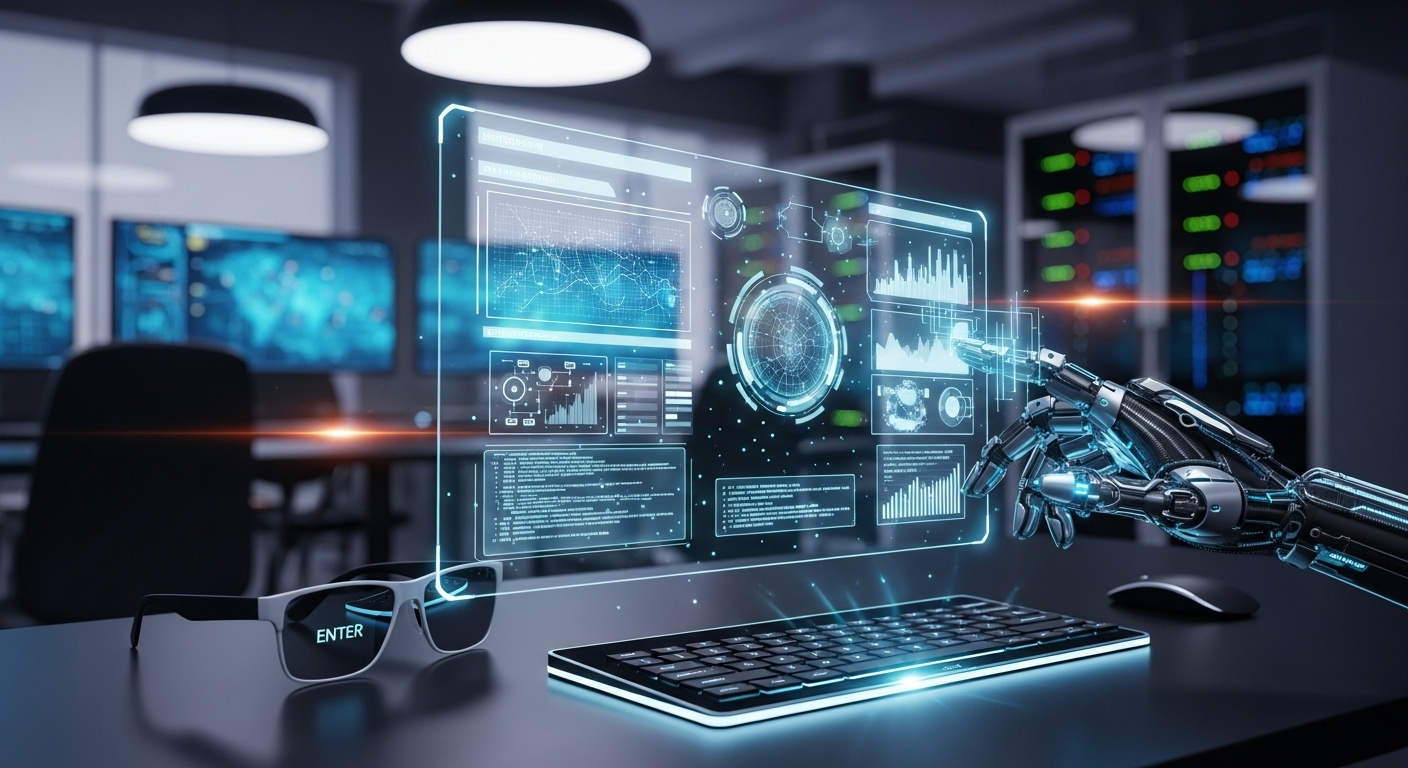

We are standing on the brink of a new technological era. Every day, innovations that seemed like science fiction just a few years ago are becoming part of our reality. From how we work to how we live and interact with the world, technology is quietly weaving itself into every corner of our existence. This transformation isn’t just about new gadgets or faster internet; it’s about creating smarter systems, more intuitive interactions, and deeper connections between people and the world around them. In this post, we explore some of the most exciting and impactful tech trends that are reshaping our future.
Artificial Intelligence: The Brain Behind the Revolution
Artificial intelligence (AI) has made incredible strides in recent years, shifting from a distant concept to something that’s integrated into our daily lives. AI’s ability to process vast amounts of data and make real-time decisions is transforming industries like healthcare, retail, finance, and transportation. In healthcare, for example, AI algorithms are helping doctors diagnose conditions faster and more accurately, sometimes even identifying diseases earlier than human doctors can.
AI-powered systems also help businesses optimize operations, predict consumer behavior, and personalize customer experiences. Streaming platforms like Netflix and Spotify use AI to recommend content based on user preferences, making entertainment more personalized than ever. As AI continues to evolve, it will only become more embedded in the tools we use, from smart assistants like Siri and Alexa to the autonomous vehicles we may one day use to commute to work.
The 5G Revolution: Unlocking New Possibilities
The rollout of 5G technology is set to transform the way we experience connectivity. With speeds up to 100 times faster than 4G, 5G offers more than just quicker download times. It opens the door to a new era of connected devices and smart solutions.
One of the most significant benefits of 5G is its ability to handle the growing number of devices that are becoming part of our daily lives. The Internet of Things (IoT)—a network of interconnected devices—relies heavily on fast, reliable internet connections. Whether it’s smart home devices, autonomous vehicles, or wearable health trackers, 5G will provide the bandwidth and speed necessary for seamless interactions.
Additionally, 5G technology will accelerate the development of fields like augmented reality (AR) and virtual reality (VR), which require high-speed, low-latency networks to function smoothly. The combination of 5G, AR, and VR could create immersive experiences in entertainment, education, and professional training that were previously unimaginable.
Quantum Computing: The Next Frontier
Quantum computing is one of the most exciting and mysterious fields of modern technology. Unlike classical computers, which use binary bits to process information, quantum computers use quantum bits (qubits). Qubits can exist in multiple states simultaneously, allowing quantum computers to perform complex calculations much faster than traditional computers.
Quantum computing holds the potential to revolutionize industries that rely on massive data processing. In fields like pharmaceuticals, quantum computing could speed up the discovery of new drugs by simulating molecular interactions at a level of detail that classical computers can’t achieve. In cybersecurity, quantum encryption methods could provide new ways to protect sensitive data, making hacking virtually impossible.
While quantum computing is still in its infancy, the progress being made is staggering, and the applications for this technology in the future are limitless. From solving climate change-related problems to improving artificial intelligence, quantum computing could be the key to solving some of humanity’s most pressing challenges.
Blockchain: Beyond Cryptocurrencies
Blockchain technology is often associated with cryptocurrencies like Bitcoin, but its potential extends far beyond digital currencies. Blockchain is essentially a decentralized ledger that allows transactions to be securely recorded across multiple computers, ensuring transparency and eliminating the need for intermediaries. This makes it ideal for a wide range of applications in industries that require high levels of security and trust.
In supply chain management, blockchain can be used to track goods from the point of origin to the consumer, ensuring transparency and reducing fraud. In healthcare, blockchain could provide a secure way to store and share patient data between hospitals and doctors, improving collaboration and care. Blockchain is also being explored for use in voting systems, providing a tamper-proof, transparent way to conduct elections.
As blockchain technology becomes more mature, its impact will extend far beyond cryptocurrencies, creating more secure and transparent systems in every sector.
Autonomous Vehicles: The Road Ahead
Self-driving cars have long been a symbol of futuristic technology, but they’re no longer just a concept—they’re becoming a reality. Companies like Tesla, Waymo, and Uber are already testing autonomous vehicles, and while we’re still a few years away from widespread adoption, the potential for self-driving cars is enormous.
Autonomous vehicles have the potential to revolutionize transportation by reducing traffic accidents, making travel more efficient, and reducing our carbon footprint. Self-driving cars can communicate with each other and with traffic infrastructure, improving road safety and traffic flow. Additionally, autonomous vehicles could help provide mobility for people who are unable to drive, such as the elderly or disabled.
While challenges remain, including regulatory hurdles and technological limitations, the shift towards autonomous vehicles is inevitable. As the technology matures, it will transform not only the way we travel but the entire transportation industry.
The Rise of Wearables: A New Era of Personal Health Monitoring
Wearable technology is not new, but it’s advancing rapidly. What started as simple fitness trackers has now evolved into sophisticated devices that can monitor a wide range of health metrics, including heart rate, sleep patterns, and blood oxygen levels. Wearables like the Apple Watch and Fitbit have become essential tools for health-conscious individuals, helping them track their activity levels, set goals, and stay motivated.
But wearables are going beyond fitness. In the healthcare sector, wearables are being developed to monitor chronic conditions, track vital signs, and even detect early signs of health problems. For example, some devices are capable of detecting arrhythmias or irregular heartbeats, potentially alerting users to serious heart conditions before they become critical.
As wearable technology advances, we can expect more features that help users manage their health in real-time. From non-invasive blood glucose monitors for diabetes to devices that track mental health, the future of wearables promises to empower individuals to take greater control of their well-being.
Augmented and Virtual Reality: The Future of Immersive Experiences
Augmented reality (AR) and virtual reality (VR) are two technologies that are transforming the way we interact with digital content. AR enhances the real world by overlaying digital information on top of what we see, while VR immerses users in entirely virtual environments.
In the gaming industry, AR and VR are already providing immersive experiences that were once thought impossible. But the applications for these technologies extend far beyond entertainment. In education, AR can bring subjects to life by overlaying 3D models onto textbooks, while VR can transport students to historical sites or even inside the human body for virtual field trips.
In the business world, AR and VR are being used for training simulations, allowing employees to learn new skills in a safe, controlled environment. As these technologies become more affordable and accessible, the possibilities for their use in industries like healthcare, retail, and education will only expand.
Conclusion: The Path Forward
We are living in an era of rapid technological advancement, where innovations that were once the stuff of dreams are now shaping our reality. From AI and blockchain to quantum computing and autonomous vehicles, the technologies of tomorrow are transforming the world around us in ways we could never have imagined just a decade ago.
As we move forward, the key will be to embrace these technologies in a responsible and thoughtful manner. While the potential for positive change is immense, we must also consider the ethical implications and challenges that come with these advancements. By doing so, we can ensure that technology continues to work for us, creating a brighter, more connected future for all.