Introduction to Modern Technology
Technology is not just a tool we use; it has become the foundation of modern life. From communication and transportation to healthcare and entertainment, technology is involved in every aspect of our daily routines. The world we live in today is a blend of innovation, creativity, automation, and intelligence that grows with every passing moment. Whether it is artificial intelligence, smartphones, quantum computing, or renewable energy, modern technology constantly reshapes society and pushes human potential to new heights.
This blog explores the evolution, impact, opportunities, and challenges in the world of technology. It also dives into current advancements and future possibilities that may redefine how we work, live, and think.
The Evolution of Technology Through Time
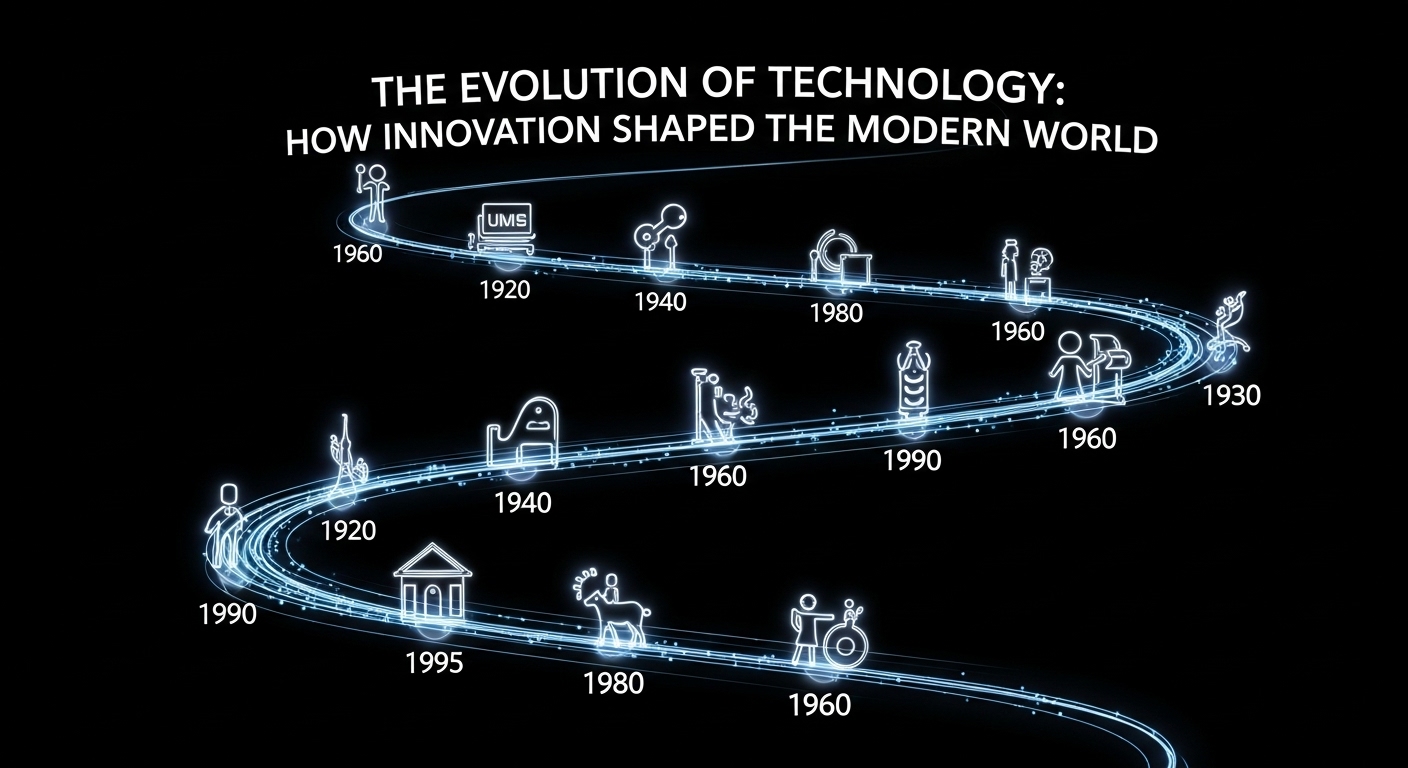
Technology has come a long way from primitive stone tools used by early humans. The invention of the wheel, the discovery of fire, and the development of metal tools were some of the earliest breakthroughs. These simple innovations laid the foundation for future progress.
With time, civilizations like the Egyptians, Greeks, Chinese, and Romans introduced advancements in mathematics, architecture, astronomy, and engineering. The invention of paper, compasses, and irrigation systems helped societies organize and thrive.
The first major boost to technology came during the Industrial Revolution. In the 18th and 19th centuries, machines replaced manual labor, and factories emerged. Steam engines, spinning machines, and mechanical tools transformed industries like textiles, agriculture, and transportation. This was followed by the invention of electricity, which powered factories, homes, and cities.
In the 20th century, technology reached new peaks with the invention of the telephone, radio, television, airplanes, and computers. The digital revolution in the late 1900s changed everything. Computers evolved from bulky machines to personal devices. The internet connected the world, allowing information to spread faster than ever before.
Today, technology is about artificial intelligence, automation, virtual reality, 5G networks, biotechnology, and space exploration. The journey from stone tools to smart machines is a testament to human creativity and innovation.
The Rise of the Internet and Digital Communication
The internet is one of the most life-changing inventions in human history. It turned the world into a global village, where people can communicate instantly regardless of distance. Email, instant messaging, and video calls have replaced traditional mail and expensive long-distance phone calls.
Social media platforms have transformed how people interact, share ideas, and express themselves. They allow individuals to build communities, share opinions, and stay updated with global news. Businesses use these platforms for advertising, customer engagement, and branding.
Digital communication has also created new careers. Content creators, influencers, bloggers, and digital marketers are examples of professions that did not exist a few decades ago. These opportunities show how technology shapes not only lifestyles but also career choices and economies.
Smartphones: The Device That Changed Everything
Smartphones have become an essential part of modern life. They are not just phones; they are cameras, calculators, gaming devices, notebooks, and personal assistants all in one. They have replaced many gadgets and simplified daily tasks.
With smartphones, people can shop online, order food, book tickets, and even work remotely. Mobile apps have revolutionized industries like banking, education, healthcare, and entertainment. People can manage their bank accounts, attend online classes, consult doctors, and stream movies all from their phones.
The introduction of smart assistants in phones, like voice command features, has taken convenience to a new level. These assistants use artificial intelligence to understand and respond to human voice commands, making technology more accessible.
Artificial Intelligence and Machine Learning
Artificial Intelligence, or AI, is one of the most powerful technologies of our time. AI refers to machines and software that can perform tasks that typically require human intelligence. These tasks include recognizing speech, making decisions, solving problems, and understanding languages.
Machine learning is a branch of AI that allows machines to learn from data. Instead of following strict instructions, machines use algorithms to analyze data, learn patterns, and improve performance over time.
AI is used in many industries. In healthcare, it helps diagnose diseases by analyzing medical images and patient data. In finance, AI detects fraud, manages investments, and provides customer support through virtual assistants. In transportation, AI powers self-driving cars and traffic management systems.
AI also plays a major role in daily life. Virtual assistants, smart home devices, recommendation systems on streaming platforms, and online shopping suggestions are all powered by AI.
Automation and the Future of Work
Automation involves using machines and software to perform tasks with little or no human intervention. Automated systems are used in factories, farms, offices, and even homes. Robots assemble cars, drones deliver packages, and software manages inventory and finances.
While automation increases productivity and reduces human error, it also creates challenges. Many people fear that robots and machines will replace human jobs. Some tasks, especially repetitive ones, are indeed being replaced by automation. However, technology also creates new jobs that require creativity, problem-solving, and human interaction.
In the future, the workplace will likely be a combination of humans and intelligent machines working together. To keep up with this change, people will need to learn new skills like coding, data analysis, and digital communication.
Cloud Computing and Data Storage
Cloud computing allows people and businesses to store and access data over the internet instead of local computers. It offers flexibility, security, and cost-efficiency.
With cloud services, users can store documents, photos, videos, and software on remote servers. This means they can access their data from anywhere in the world using any device with internet access.
Businesses use cloud computing to run websites, manage databases, process large amounts of data, and support remote work. It reduces the need for expensive hardware and maintenance.
Cloud computing has also made collaboration easier. Multiple people can work on the same document in real time, no matter where they are. This is especially helpful in education and business environments.
Cybersecurity: Protecting the Digital World
As technology advances, so do cyber threats. Cybersecurity is the practice of protecting computers, networks, and data from attacks. Cyber attackers use viruses, malware, phishing, and hacking techniques to steal sensitive information or disrupt systems.
To protect data, individuals and organizations use antivirus software, firewalls, encryption, and strong passwords. They also train employees to recognize and avoid cyber threats.
Cybersecurity is not just important for businesses but also for individuals. Personal information, such as bank details, addresses, and identities, must be protected. As more devices connect to the internet, cybersecurity becomes more important than ever.
The Role of Technology in Education
Technology has reshaped education. Online classes, digital textbooks, and virtual learning platforms make education accessible to people around the world. Students can learn new skills through videos, quizzes, and interactive activities.
Teachers use digital tools to create engaging lessons and track student progress. Educational apps help students practice math, science, language, and other subjects in fun ways.
Virtual classrooms allow students and teachers to interact in real time, even if they are in different countries. This became especially important during global events when schools were closed.
Technology also supports lifelong learning. People can take online courses and learn new skills at any age. This flexibility helps individuals stay updated in a fast-changing world.
Healthcare and Medical Technology
Technology has brought significant improvements to healthcare. Advanced medical machines, digital health records, telemedicine, and AI-powered tools have transformed patient care.
Doctors use machines like MRI scanners, CT scans, and X-rays to diagnose diseases accurately. Surgeries are now performed with robotic assistance, reducing risk and improving precision.
Telemedicine allows patients to consult doctors online from their homes. This is especially helpful for people living in remote areas.
Wearable devices like fitness trackers monitor heart rate, sleep, and physical activity. These devices help people stay healthy and alert them to health issues.
AI helps doctors analyze medical images, predict health risks, and create personalized treatment plans. Technology not only saves lives but also improves the quality of life.
Transportation and Smart Mobility
Transportation has evolved from horse carriages to high-speed trains, electric cars, and airplanes. Technology continues to improve how we travel.
Electric vehicles reduce pollution and provide a cleaner alternative to traditional fuel-based cars. Self-driving cars use sensors and AI to navigate roads and avoid accidents.
Smart traffic systems monitor road conditions and control traffic lights to reduce congestion. Mobile apps provide real-time information about public transport, traffic, and routes.
In aviation, advanced navigation systems make air travel safer and more efficient. Space exploration has also grown, with missions to Mars, the Moon, and beyond.
Virtual Reality and Augmented Reality
Virtual Reality, or VR, creates a digital world that users can explore using headsets and special devices. It is widely used in gaming, education, training, and entertainment.
Augmented Reality, or AR, overlays digital information onto the real world. For example, AR apps can display directions on your phone screen or show how a piece of furniture looks in your home before buying it.
Both VR and AR are transforming industries. In education, students can take virtual tours of historical sites or explore the human body in 3D. In healthcare, VR is used to train surgeons, while AR helps doctors during operations.
The Future of Smart Homes
Smart homes use connected devices and automation to make life easier. Smart lights, thermostats, locks, and cameras can be controlled using smartphones or voice commands.
Smart home systems can learn your daily routine and adjust settings automatically. For example, lights can turn off when you leave a room, and the thermostat can adjust the temperature before you arrive home.
These technologies improve comfort, save energy, and enhance security. In the future, smart homes will become even more intelligent, with devices that communicate with each other and make decisions on their own.
Renewable Energy and Green Technology
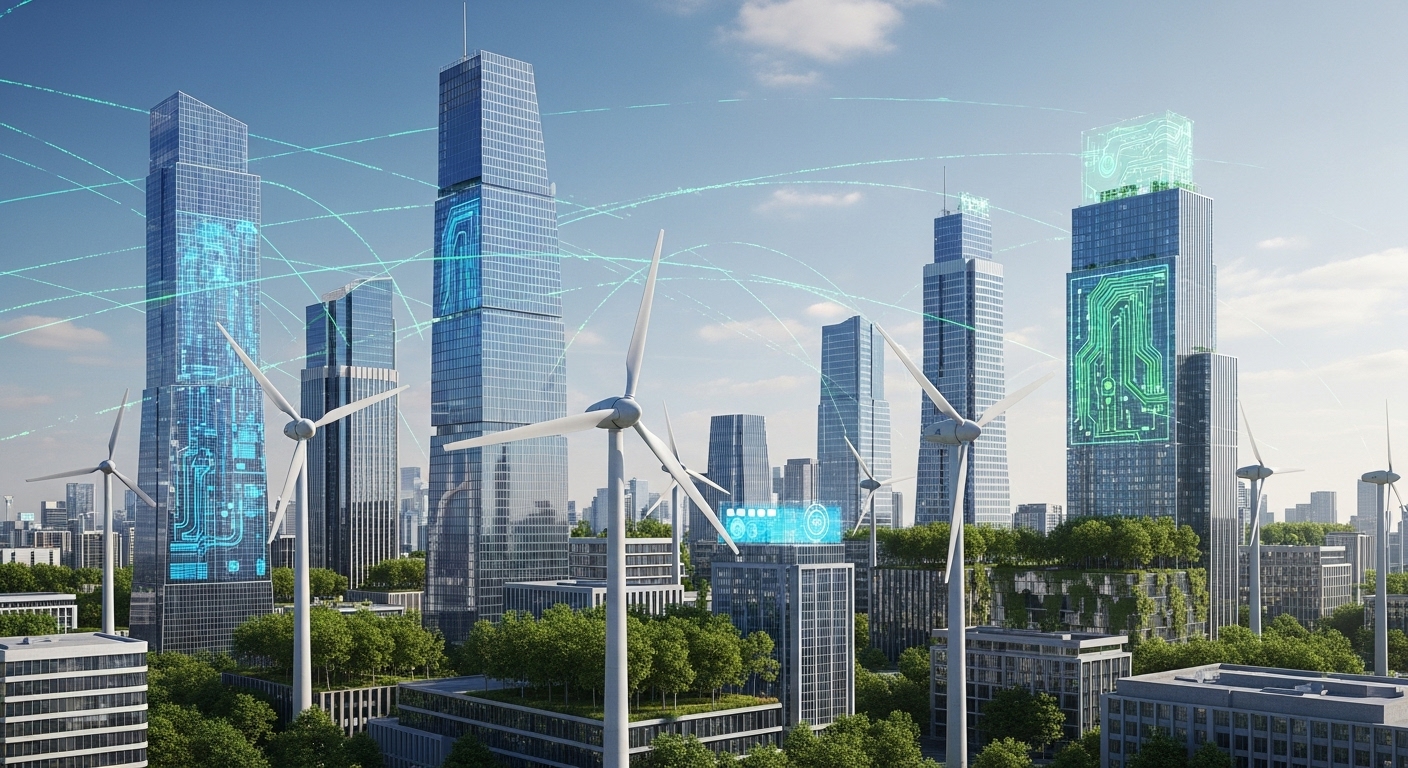
As the world faces environmental challenges, renewable energy and green technology have become essential. Solar panels, wind turbines, and hydroelectric systems generate clean energy without harming the environment.
Electric vehicles reduce dependence on fossil fuels and lower carbon emissions. Smart grids manage energy distribution efficiently, reducing waste.
Green buildings use energy-efficient designs, smart lighting, and renewable energy sources to reduce environmental impact.