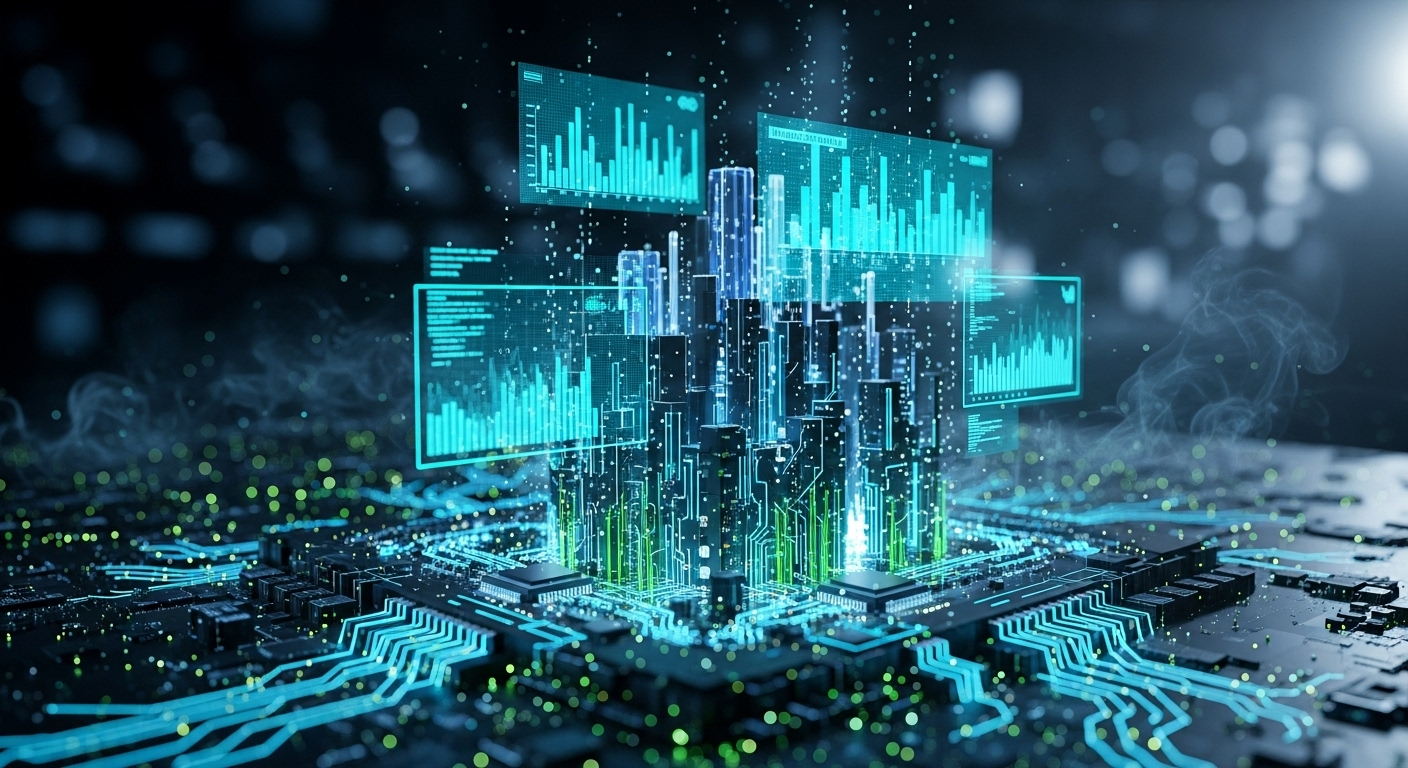
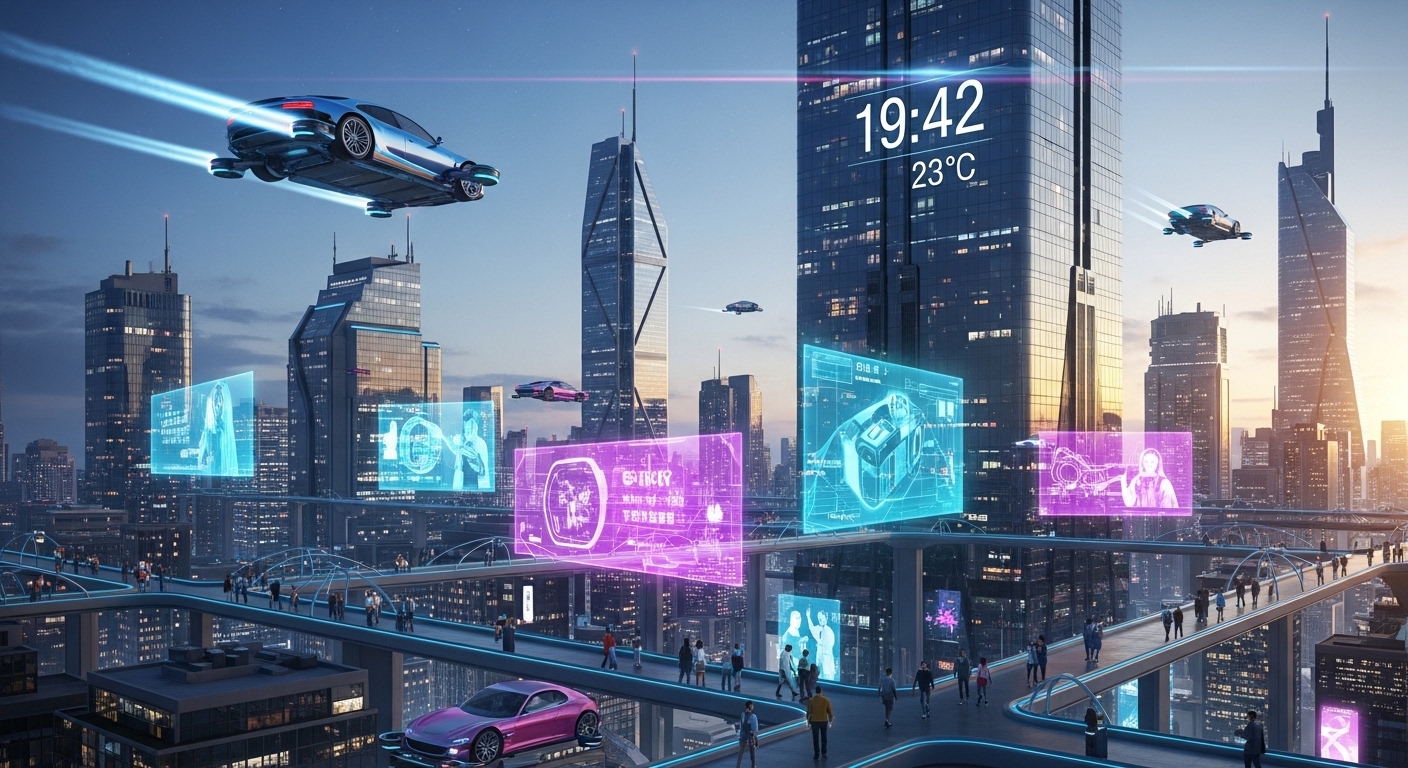
Technology is an ever-present force that shapes every aspect of modern life. From how we communicate to how we work, learn, and entertain ourselves, the rapid pace of technological progress is transforming industries and societies across the globe. The world we live in today is vastly different from the world of just a few decades ago, and as we move forward, technological innovations will continue to drive change in ways we can only begin to imagine. In this blog post, we’ll explore some of the most important and exciting technological advancements that are poised to reshape the future. From artificial intelligence and quantum computing to the Internet of Things (IoT) and blockchain, these innovations are opening up new possibilities and creating challenges that society will need to address.
The Rise of Artificial Intelligence and Machine Learning
Artificial Intelligence (AI) and Machine Learning (ML) are among the most groundbreaking technologies of our time. AI refers to the capability of machines to mimic human intelligence, learning from experience and performing tasks that typically require human cognitive functions. Machine Learning, a subset of AI, focuses on building algorithms that enable machines to learn from data and improve over time without explicit programming.
AI in Everyday Life
AI has already become a part of our everyday lives, often in ways that go unnoticed. Virtual assistants such as Siri, Google Assistant, and Alexa are powered by AI and can perform tasks like setting reminders, playing music, and even controlling smart home devices. AI is also behind the recommendation algorithms used by platforms like Netflix, Amazon, and YouTube, analyzing our behaviors to suggest content we might like.
The applications of AI in daily life are only growing. AI-enabled technologies are used in everything from online banking to personal health tracking. Many smartphone apps are now equipped with AI-driven features, from image recognition to real-time language translation. This widespread adoption of AI is just the beginning. As AI technology advances, its role in shaping our daily lives will only expand.
AI in Healthcare
One of the most promising applications of AI is in the healthcare industry. AI-powered systems are being used to enhance diagnostic accuracy, predict disease outcomes, and personalize treatment plans for patients. For instance, AI tools are already being used to analyze medical images like X-rays and MRIs, helping doctors detect conditions like cancer, heart disease, and neurological disorders with greater precision.
Additionally, AI is driving advances in drug discovery and personalized medicine. Machine learning models can analyze vast amounts of biological and medical data to identify new drug compounds or predict which treatments will work best for individual patients. In the future, AI could drastically reduce the time and cost of developing new drugs, potentially bringing life-saving treatments to market much faster.
AI in Business and Industry
AI is also revolutionizing industries by automating routine tasks and providing insights that help businesses make better decisions. In the retail industry, AI is being used to optimize inventory management, predict consumer preferences, and personalize marketing strategies. In the manufacturing sector, AI-powered robots are increasingly being used to perform repetitive tasks with precision and speed, improving efficiency and reducing errors.
In the world of finance, AI is making waves through algorithmic trading, fraud detection, and risk management. AI-driven tools are helping financial institutions identify suspicious activities in real-time, minimizing the impact of fraud. Similarly, AI’s ability to process vast amounts of data quickly and accurately is enabling better decision-making in areas such as credit scoring and investment analysis.
Quantum Computing: Unlocking the Power of the Universe
Quantum computing represents a paradigm shift in computational technology. While classical computers use bits to represent data in binary (0 or 1), quantum computers use quantum bits, or qubits, which can exist in multiple states simultaneously due to the principles of quantum mechanics. This unique property, known as superposition, allows quantum computers to perform certain types of calculations exponentially faster than classical computers.
Quantum Computing in Cryptography
Quantum computing’s most discussed potential application is in the field of cryptography. Modern encryption methods, such as RSA, rely on the difficulty of factoring large numbers into primes. Classical computers would take an impractically long time to break this encryption, but a sufficiently powerful quantum computer could solve these problems in a matter of seconds. As a result, many experts fear that quantum computing could make current cryptographic systems obsolete.
This has led to the development of quantum-resistant encryption algorithms, designed to withstand the computational power of quantum computers. In the future, quantum computing could be used to enhance the security of data transmission, but until that time, we will likely see the continued development of new encryption methods that can withstand the quantum age.
Quantum Computing and Drug Discovery
Quantum computing also holds great promise in fields like drug discovery and material science. The ability of quantum computers to model molecular interactions with incredible accuracy could revolutionize the development of new medicines. In traditional drug discovery, researchers test thousands of compounds to find a potential treatment for a disease. Quantum computers, with their ability to simulate molecular behavior on a quantum level, could dramatically reduce the time and cost associated with drug discovery.
In material science, quantum computers could help design new materials with properties that are difficult to achieve with traditional methods. For example, quantum computing could be used to develop more efficient solar panels, better batteries, or even materials with unique superconducting properties, which would have a transformative effect on energy storage and transmission.
The Internet of Things: Connecting the World
The Internet of Things (IoT) refers to the network of devices that are connected to the internet, enabling them to collect, exchange, and analyze data. IoT is already making its way into many aspects of our daily lives, from smart homes and wearable devices to industrial applications. The promise of IoT lies in its ability to collect real-time data, which can be analyzed to improve efficiency, save time, and reduce costs.
Smart Homes and IoT
One of the most visible applications of IoT is in the smart home industry. Devices like smart thermostats, light bulbs, security cameras, and refrigerators are all part of the IoT ecosystem. These devices can communicate with one another and be controlled remotely via smartphones or voice assistants like Amazon Alexa and Google Assistant. This connectivity enables homeowners to manage their homes more efficiently and conveniently. For instance, smart thermostats can learn a user’s temperature preferences and adjust heating and cooling settings automatically, reducing energy consumption.
The growth of IoT in the home is likely to accelerate in the coming years. In the future, we could see homes with fully integrated smart systems, where appliances, lights, and even furniture work together seamlessly to create more energy-efficient, comfortable living spaces.
IoT in Healthcare
The healthcare sector is another area where IoT is making significant strides. Wearable devices such as fitness trackers and smartwatches are becoming increasingly popular, allowing individuals to monitor their health in real time. These devices can track metrics like heart rate, step count, sleep patterns, and even blood oxygen levels. This data is invaluable for both personal health monitoring and medical professionals who can use it to provide better care.
IoT is also playing a role in remote patient monitoring. Doctors can use IoT-enabled devices to track patients’ health metrics without requiring them to visit a hospital or clinic. This is especially useful for patients with chronic conditions, as it allows for continuous monitoring and early detection of potential issues.
Blockchain: Decentralizing Trust
Blockchain is another technology that is poised to make a significant impact in various sectors. Originally developed for cryptocurrencies like Bitcoin, blockchain is a decentralized, distributed ledger technology that records transactions across a network of computers. Each block in the blockchain contains a record of transactions that are linked to the previous block, making it tamper-proof and secure.
Blockchain in Finance
Blockchain is already transforming the financial industry by enabling secure, transparent, and efficient transactions. Cryptocurrencies like Bitcoin and Ethereum operate on blockchain networks, offering an alternative to traditional currencies and banking systems. Blockchain eliminates the need for intermediaries like banks, which can reduce the cost and time required for transactions.
Blockchain also enables faster, cross-border payments, as it removes the need for third parties like banks and payment processors. This could drastically reduce the cost of international transactions and open up financial services to people who are unbanked or underbanked.
Blockchain in Supply Chain Management
Blockchain is also being applied in supply chain management, where its ability to provide transparency and traceability can help businesses improve efficiency and reduce fraud. By using blockchain to track goods as they move through the supply chain, companies can ensure that products are ethically sourced and comply with regulations. For example, food producers can use blockchain to verify the provenance of their products, ensuring that they are safe and sustainable.
Similarly, blockchain can help reduce fraud in industries like luxury goods and pharmaceuticals, where counterfeiting is a significant problem. By providing an immutable, transparent record of every transaction, blockchain can help guarantee the authenticity of products and prevent fraud.
5G Networks: The Next Evolution of Connectivity
The rollout of 5G networks is expected to be one of the most transformative technological developments of the next decade. 5G is the fifth generation of mobile network technology, and it promises faster speeds, lower latency, and greater capacity than previous generations. These improvements will enable a wide range of new technologies, from autonomous vehicles to smart cities, to function more effectively.
5G and the Internet of Things
One of the key benefits of 5G is its ability to support a large number of connected devices. As IoT devices become more prevalent in homes, businesses, and cities, the increased bandwidth and lower latency provided by 5G will be essential for enabling seamless connectivity. In a 5G-enabled world, everything from smart refrigerators to self-driving cars will be able to communicate and exchange data with minimal delays.
5G and Autonomous Vehicles
Autonomous vehicles rely on real-time data to make decisions and navigate the world safely. 5G’s ultra-low latency and high-speed capabilities will allow for faster communication between vehicles and infrastructure, improving the efficiency and safety of autonomous driving systems. This could lead to the widespread adoption of self-driving cars, reducing accidents, and improving traffic flow.
5G and Augmented Reality
5G will also accelerate the development of augmented reality (AR) and virtual reality (VR) technologies. With its fast speeds and low latency, 5G will make AR and VR applications more responsive and immersive, opening up new possibilities for gaming, education, and professional training. For example, AR could be used in fields like healthcare, where doctors could use real-time 3D overlays to assist with surgeries, or in education, where students could interact with virtual objects to enhance learning.
Conclusion: Embracing the Future
The technologies discussed in this post – AI, quantum computing, IoT, blockchain, and 5G – are only the tip of the iceberg. As innovation continues to progress at an accelerated pace, we can expect even more transformative technologies to emerge, reshaping industries and societies in ways that we can only begin to understand. While these advancements present numerous opportunities, they also bring challenges, such as ethical considerations, privacy concerns, and the potential for job displacement.
As we look to the future, it’s crucial for policymakers, businesses, and individuals to engage in thoughtful discussions about the role of technology in society. By ensuring that technology is developed and implemented responsibly, we can harness its potential to improve the quality of life for everyone and build a more connected, efficient, and sustainable world. The future of technology is bright, and it’s up to us to shape it in ways that benefit society as a whole.