Introduction
Technology is an ever-evolving force that has fundamentally altered nearly every aspect of modern life. From the way we communicate and work to how we entertain ourselves and manage our health, technological innovations continue to drive change. In a world where digital integration is at an all-time high, understanding the significance of technology and its ongoing developments is crucial. This blog will explore the role of technology in our daily lives, its impact across various industries, and how emerging technologies are shaping our future.
The Digital Age: A Transformation in Communication
One of the most profound impacts technology has had is on communication. The advent of the internet and the proliferation of smartphones have revolutionized how we stay connected with each other. Gone are the days when people relied solely on landline phones or face-to-face interactions for communication. Now, instant messaging apps, social media platforms, and video conferencing tools allow people to stay in touch across vast distances in real-time.
For businesses, technology has made communication more efficient and accessible. Companies now use cloud-based collaboration tools that enable teams to work seamlessly from different parts of the world. Video calls, screen-sharing, and shared documents have made remote work not only possible but highly effective, increasing productivity while allowing employees to maintain work-life balance.
In the broader societal context, social media platforms have become major players in how information spreads and how individuals engage with social, political, and cultural movements. Technology has thus transformed communication, making it instantaneous, versatile, and more inclusive.
The Rise of Artificial Intelligence
Artificial Intelligence (AI) has emerged as one of the most impactful and transformative technologies of the 21st century. Once confined to the realm of science fiction, AI has now found its way into everyday life. From voice assistants like Siri and Alexa to more complex systems like autonomous vehicles, AI is becoming an integral part of our personal and professional worlds.
Machine learning, a subset of AI, is allowing systems to learn and improve over time. This has broad implications across a variety of sectors. In healthcare, AI is being used for diagnostics, helping doctors detect diseases earlier and more accurately. In the finance sector, AI algorithms are analyzing vast amounts of data to predict market trends and optimize investment strategies.
Perhaps one of the most significant uses of AI lies in automation. Industries such as manufacturing, logistics, and retail are increasingly relying on automated systems to perform repetitive tasks. This leads to greater efficiency, reduced operational costs, and the creation of entirely new business models. While AI holds enormous potential, it also raises important questions about job displacement and the ethical use of technology.
Cloud Computing: The Backbone of the Digital Economy
Cloud computing has become an essential part of modern technological infrastructure. Simply put, cloud computing refers to the delivery of computing services (such as servers, storage, databases, networking, and software) over the internet. Rather than relying on local servers or physical devices, businesses and individuals now have access to computing resources via the cloud, which offers scalability, flexibility, and cost-efficiency.
For businesses, cloud computing has facilitated digital transformation by enabling organizations to store and process vast amounts of data without the need for on-site IT infrastructure. The cloud also facilitates collaboration, with teams able to access and work on documents in real-time, regardless of their location. Moreover, cloud solutions allow companies to scale their operations rapidly, adjusting resources based on demand.
The rise of cloud computing has also made advanced technologies like AI, machine learning, and big data analytics more accessible. By providing the computing power needed for these technologies, the cloud has been instrumental in their growth and widespread adoption.
The Internet of Things (IoT): Connecting the World
The Internet of Things (IoT) refers to the growing network of connected devices that communicate and share data with each other over the internet. These devices range from household appliances like smart thermostats and refrigerators to wearable fitness trackers and industrial sensors.
In the consumer realm, IoT devices are making everyday tasks more convenient and efficient. Smart homes, for example, can automatically adjust lighting, heating, and security settings based on user preferences. Wearable devices track personal health metrics like heart rate, activity levels, and sleep patterns, providing valuable insights into one’s well-being.
IoT has also had a profound impact on industries such as manufacturing, agriculture, and healthcare. In smart factories, IoT sensors monitor machinery and inventory, enabling predictive maintenance and optimized supply chains. In healthcare, IoT-enabled devices can track patient vitals in real-time, enabling remote monitoring and better care management. The IoT has the potential to create a more connected and efficient world, although issues related to data security and privacy remain key challenges.
The Role of Blockchain Technology
Blockchain technology has gained significant attention due to its association with cryptocurrencies like Bitcoin, but its potential goes far beyond digital currency. A blockchain is a decentralized, distributed ledger that records transactions across multiple computers in a way that ensures the security, transparency, and integrity of data.
The financial sector has been a major early adopter of blockchain technology. Banks and financial institutions are using blockchain to facilitate secure, fast, and cost-effective transactions. Blockchain can also improve transparency and reduce the risk of fraud by providing an immutable record of all transactions.
Beyond finance, blockchain is being explored in various industries, including supply chain management, healthcare, and even voting systems. In supply chains, blockchain can track goods from origin to destination, ensuring the authenticity and safety of products. In healthcare, it can be used to secure medical records and improve patient data management.
As blockchain technology continues to evolve, it promises to revolutionize industries by offering decentralized solutions that provide enhanced security and transparency.
The Growing Influence of 5G Technology
The rollout of 5G technology represents a significant leap forward in mobile communication. 5G, the fifth generation of wireless network technology, offers faster speeds, lower latency, and higher capacity than its predecessors. This makes it possible to download large files in seconds, stream high-quality video without buffering, and connect more devices simultaneously.
The adoption of 5G is expected to have wide-ranging effects on several industries. In healthcare, 5G will enable real-time remote surgeries and telemedicine consultations with minimal latency. In the automotive sector, 5G will play a crucial role in the development of autonomous vehicles, allowing them to communicate with each other and with road infrastructure to improve safety and efficiency.
5G will also benefit the IoT by allowing a larger number of connected devices to operate simultaneously without overwhelming networks. As the world becomes increasingly reliant on interconnected devices, the implementation of 5G will be essential in supporting this growing demand.
Tech and Sustainability: A Path Toward a Greener Future
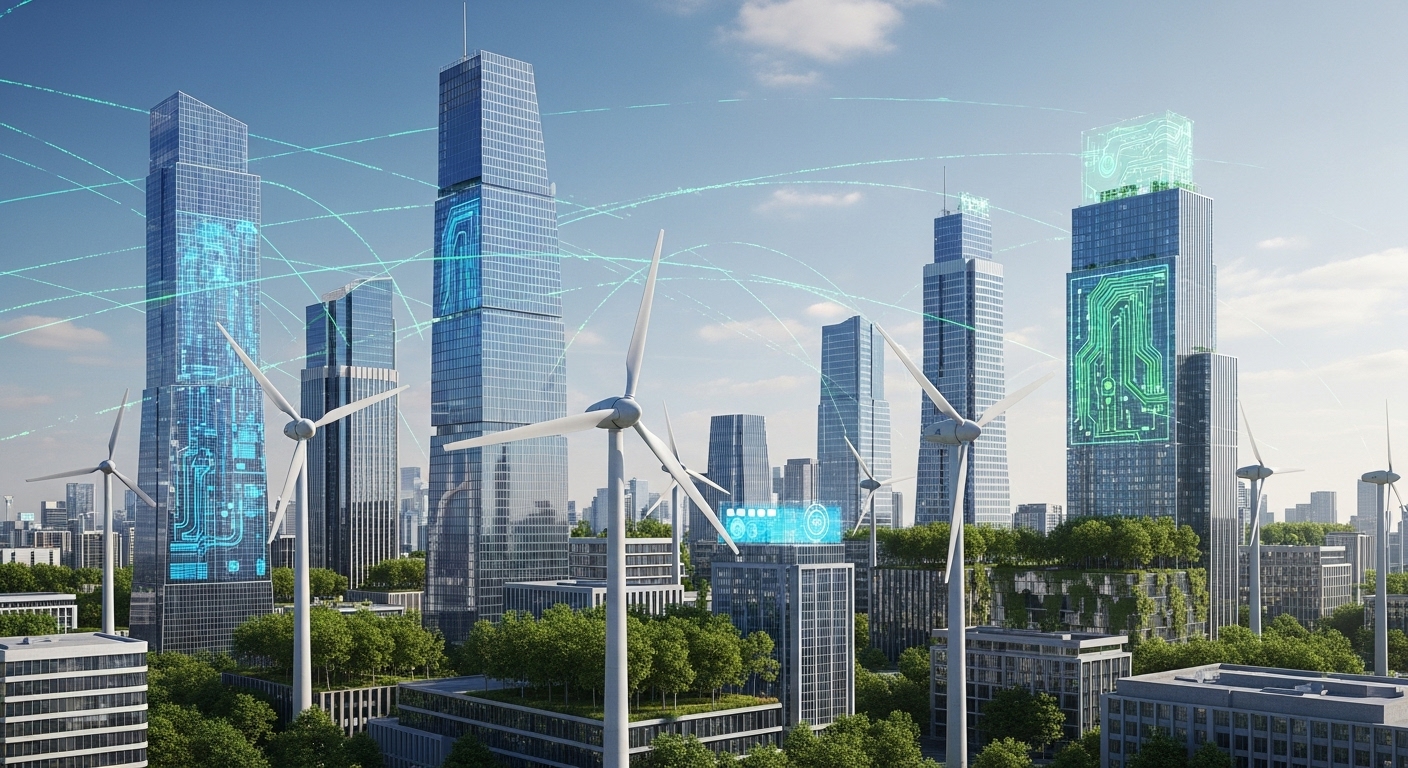
As the world grapples with the challenges of climate change, technology is stepping up as a key player in sustainability efforts. Renewable energy technologies like solar, wind, and hydroelectric power are becoming more efficient and cost-effective, making it easier for individuals and businesses to transition to green energy sources.
Electric vehicles (EVs) are another example of how technology is helping reduce carbon emissions. Advances in battery technology have made EVs more affordable and practical, with longer ranges and faster charging times. In addition, tech innovations like smart grids, energy-efficient buildings, and sustainable agriculture practices are helping conserve resources and reduce environmental impact.
Tech companies are also embracing sustainability in their operations. Many have made significant strides toward reducing their carbon footprints, with companies like Google and Microsoft pledging to become carbon-neutral or even carbon-negative in the coming years. The continued integration of technology and sustainability is crucial in the fight against climate change and in creating a more sustainable future.
The Future of Technology: What’s on the Horizon?
The future of technology is an exciting one, with endless possibilities on the horizon. Technologies like quantum computing, augmented reality (AR), and virtual reality (VR) are set to redefine industries and our daily experiences.
Quantum computing, for example, has the potential to solve problems that are currently beyond the reach of classical computers. This could have significant implications for fields such as drug discovery, material science, and cryptography.
Augmented reality and virtual reality are transforming sectors like entertainment, education, and healthcare. In education, AR and VR can create immersive learning experiences that engage students in new and exciting ways. In healthcare, these technologies are being used for surgical training, rehabilitation, and mental health treatment.
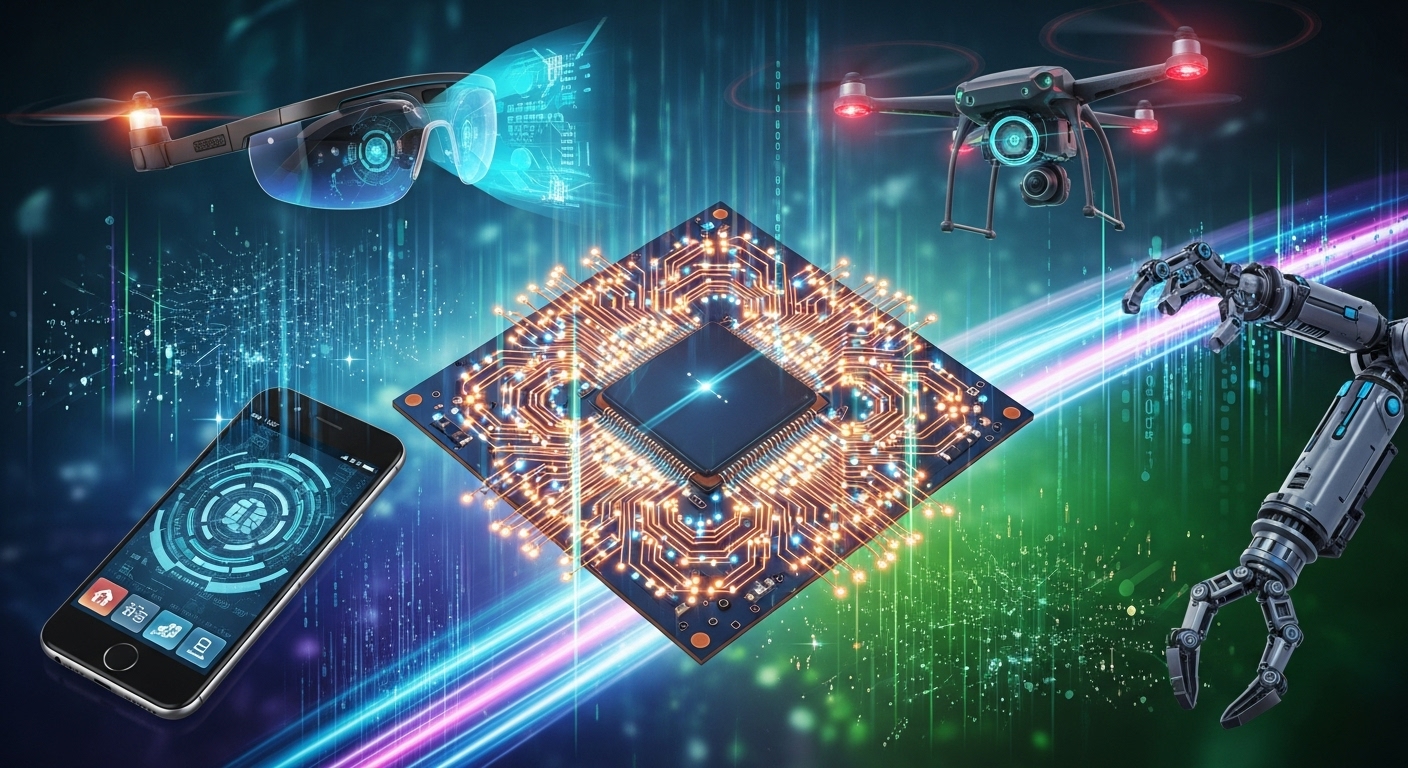
As we look to the future, the integration of AI, IoT, blockchain, and other emerging technologies will continue to drive innovation, creating new opportunities and challenges for businesses, governments, and individuals alike.
Conclusion
Technology has already transformed the world in countless ways, and its impact is only going to increase in the years ahead. From communication and AI to cloud computing, blockchain, and sustainable solutions, technology is shaping the future of nearly every industry. As we continue to explore new innovations and integrate them into our daily lives, it’s essential to be mindful of the challenges and ethical considerations that come with these advancements. By embracing the power of technology responsibly, we can ensure a brighter, more connected future for generations to come.