
Introduction: Technology as the Lifeblood of Modern Society
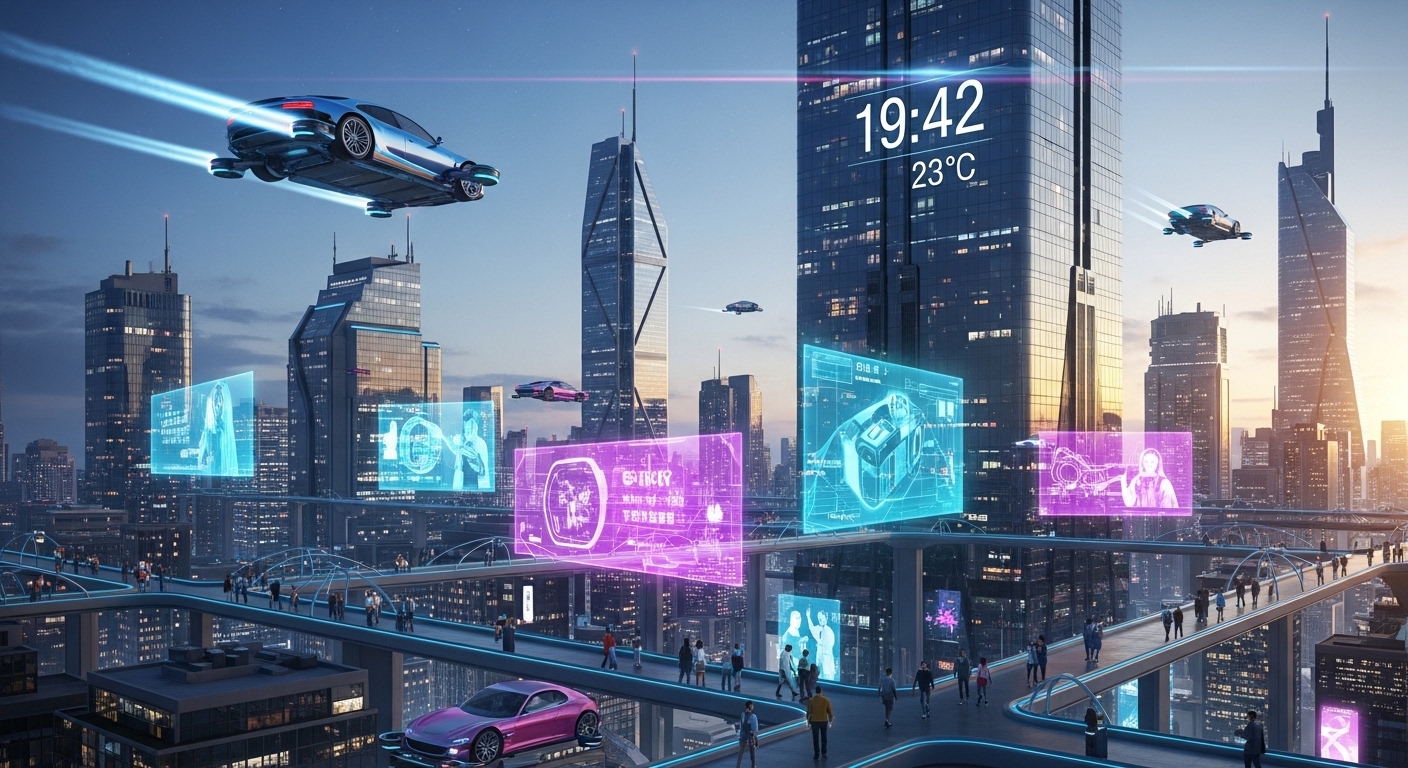
In today’s fast-paced world, technology is no longer just a tool; it has become the lifeblood of modern society. It influences every aspect of life, from communication and healthcare to education, business, and entertainment. The rapid pace of technological innovation has reshaped how humans interact with the world, creating opportunities that were unimaginable just a few decades ago. This blog explores the key technological trends, their impact on society, and the boundless potential of future innovations.
Technology has always been a driving force behind human progress. Early innovations such as the printing press, electricity, and the telephone revolutionized daily life and expanded human capabilities. The digital revolution, which began in the late 20th century, has accelerated this transformation, connecting the world in ways previously unimaginable. Today, advancements in computing, artificial intelligence, and connectivity are creating a new era of human experience.
Artificial Intelligence: Revolutionizing Industries and Everyday Life
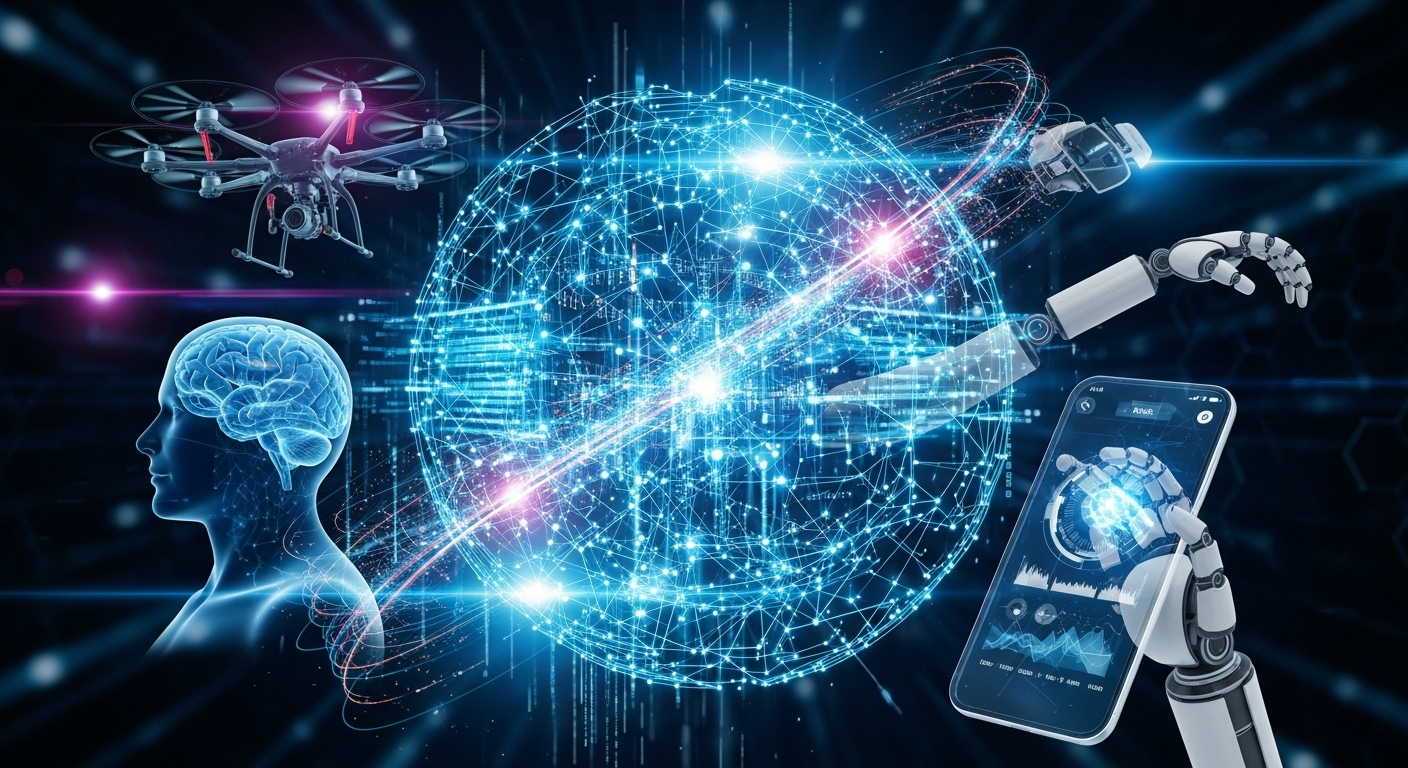
Artificial Intelligence, commonly referred to as AI, is one of the most transformative technologies of the modern era. AI involves the development of machines and systems capable of performing tasks that traditionally required human intelligence, such as problem-solving, decision-making, and learning. Its applications span virtually every industry, from healthcare and finance to transportation and entertainment.
In healthcare, AI is being used to analyze medical data, detect diseases at early stages, and assist in complex surgeries. Algorithms can now predict patient outcomes, suggest personalized treatment plans, and even monitor health trends across populations. In business, AI helps companies analyze vast amounts of data to optimize operations, improve customer experiences, and anticipate market trends. Everyday consumers interact with AI through virtual assistants, recommendation engines, and smart home devices that make life more convenient and efficient.
AI is also enhancing creativity. From generating artwork and music to writing content and designing virtual environments, AI is expanding the boundaries of human imagination. However, these advancements also raise ethical questions, such as the responsible use of data, privacy concerns, and the impact of AI on employment. Despite these challenges, AI remains a critical driver of innovation with the potential to revolutionize how humans live and work.
The Internet of Things: A Connected World
The Internet of Things, or IoT, represents a significant leap in technological connectivity. IoT refers to a network of devices that communicate with one another through the internet, ranging from household appliances and wearable technology to industrial machines. This interconnected ecosystem allows devices to collect, share, and analyze data, resulting in smarter, more responsive environments.
Smart homes exemplify IoT’s potential. Intelligent devices can adjust lighting, temperature, and security settings automatically, enhancing comfort and efficiency. Wearable devices track vital signs, sleep patterns, and physical activity, providing insights that can improve personal health and lifestyle choices. In industrial settings, IoT monitors machinery, optimizes production processes, and reduces resource waste. Smart cities utilize IoT to improve traffic management, energy efficiency, and public safety, creating urban environments that are more efficient and sustainable.
IoT’s influence extends to sectors such as agriculture, where sensors monitor soil conditions, weather patterns, and crop health, enabling precision farming that increases yields while conserving resources. This level of connectivity allows humans to make more informed decisions, ultimately improving quality of life and operational efficiency.
Cloud Computing: Flexibility and Innovation Without Limits
Cloud computing has redefined the way individuals and organizations store, access, and manage data. By moving data to remote servers accessible over the internet, cloud technology offers unprecedented flexibility, scalability, and cost-efficiency.
Businesses benefit from cloud computing by deploying applications without the need for expensive physical infrastructure. Teams can collaborate in real time, regardless of their location, enhancing productivity and innovation. Startups and small enterprises gain access to the same computing power as larger corporations, leveling the playing field and fostering creativity.
The cloud also supports the development of other technologies, including big data analytics and AI. By leveraging cloud infrastructure, companies can process vast datasets, gain actionable insights, and drive decision-making at an accelerated pace. Cloud computing has effectively become the backbone of modern digital transformation, supporting innovations across multiple sectors.
Cybersecurity: Safeguarding the Digital Frontier
As technology advances, the importance of cybersecurity becomes increasingly critical. The growing reliance on digital systems, cloud services, and connected devices has amplified vulnerabilities, exposing individuals and organizations to potential threats. Cyberattacks, data breaches, and digital fraud pose significant risks to personal privacy, financial security, and corporate integrity.
Modern cybersecurity combines advanced encryption, AI-driven threat detection, and multi-factor authentication to protect sensitive information. Organizations invest heavily in cybersecurity training, policies, and infrastructure to mitigate risk. Individuals are encouraged to adopt safe online practices, such as regularly updating software, creating strong passwords, and monitoring digital activity.
Cybersecurity is more than just a technical concern; it is an ethical imperative. As personal and organizational data becomes increasingly valuable, maintaining trust and accountability is crucial. Robust cybersecurity measures ensure that technological progress continues safely and responsibly, preserving the integrity of the digital ecosystem.
5G Technology: Redefining Connectivity
The rollout of 5G networks is set to revolutionize connectivity across the globe. Offering higher speeds, lower latency, and greater reliability than previous generations, 5G technology enables advancements in sectors ranging from transportation to healthcare and entertainment.
Autonomous vehicles rely on 5G networks for real-time data exchange, improving navigation and safety. Telemedicine benefits from rapid, high-quality video transmission, allowing doctors to consult with patients remotely. Augmented reality, virtual reality, and cloud gaming thrive on 5G’s low latency, delivering immersive and responsive experiences. This technology will play a pivotal role in shaping a more connected and interactive digital world.
Sustainable Technology: Innovation for a Greener Planet
Sustainability has become a key focus of modern technology. Renewable energy sources, electric vehicles, and energy-efficient devices are reducing humanity’s environmental impact. Smart grids, AI-driven energy management systems, and sustainable manufacturing practices optimize resource usage while minimizing waste.
Technology also supports environmental monitoring and conservation efforts. Satellite imaging, predictive modeling, and data analytics help track climate changes, monitor ecosystems, and inform policy decisions. Green technology demonstrates that innovation and environmental responsibility can go hand in hand, creating solutions that benefit both society and the planet.
Virtual and Augmented Reality: Expanding Human Experience
Virtual reality (VR) and augmented reality (AR) are transforming how humans interact with digital content. VR immerses users in fully digital environments, allowing exploration and interaction in ways previously unimaginable. AR overlays digital information onto the physical world, enhancing perception and interaction.
Education and training programs benefit from these technologies, enabling students and professionals to engage in realistic simulations. In healthcare, surgeons use AR to navigate complex procedures, while VR provides therapeutic applications such as pain management and exposure therapy. In entertainment, these technologies create immersive experiences in gaming, storytelling, and interactive media. VR and AR illustrate how technology can expand human perception and revolutionize experiences across industries.
Automation and the Future Workplace
AI and automation are reshaping the modern workplace. Repetitive tasks in industries such as manufacturing, logistics, and administration are increasingly performed by intelligent systems, allowing humans to focus on creativity, strategy, and interpersonal tasks.
Automation improves productivity, accuracy, and safety by performing tasks that are repetitive, dangerous, or require high precision. AI-powered analytics assist decision-making and optimize operations, creating more efficient and responsive organizations. While automation raises concerns about workforce displacement, it also opens opportunities for upskilling, innovation, and the creation of new roles that complement human capabilities.
The Future of Technology: Limitless Possibilities
The trajectory of technological innovation promises limitless possibilities. Quantum computing, AI-driven creativity, and immersive digital environments will redefine industries, education, healthcare, and social interaction. These technologies will create new paradigms of productivity, engagement, and human potential.
Ethical considerations will be crucial in guiding technological development. Responsible use, privacy protection, and sustainable practices must accompany innovation to ensure that technology serves humanity positively. The challenge lies in harnessing technology’s transformative power while maintaining a balance between advancement and societal well-being.
Conclusion: Embracing a Tech-Driven World
Technology is no longer an accessory to human life—it is central to progress, innovation, and connectivity. From AI and IoT to cloud computing, 5G, and sustainable solutions, technology shapes the way humans live, work, and interact. It offers endless opportunities to improve quality of life, solve complex problems, and explore new frontiers.
Embracing technology responsibly and ethically will define the future of society. By leveraging innovation to enhance creativity, productivity, and sustainability, humanity can navigate the challenges of the digital era while unlocking unprecedented possibilities. The world of technology is vast, dynamic, and ever-evolving, offering a glimpse into a future limited only by imagination.